

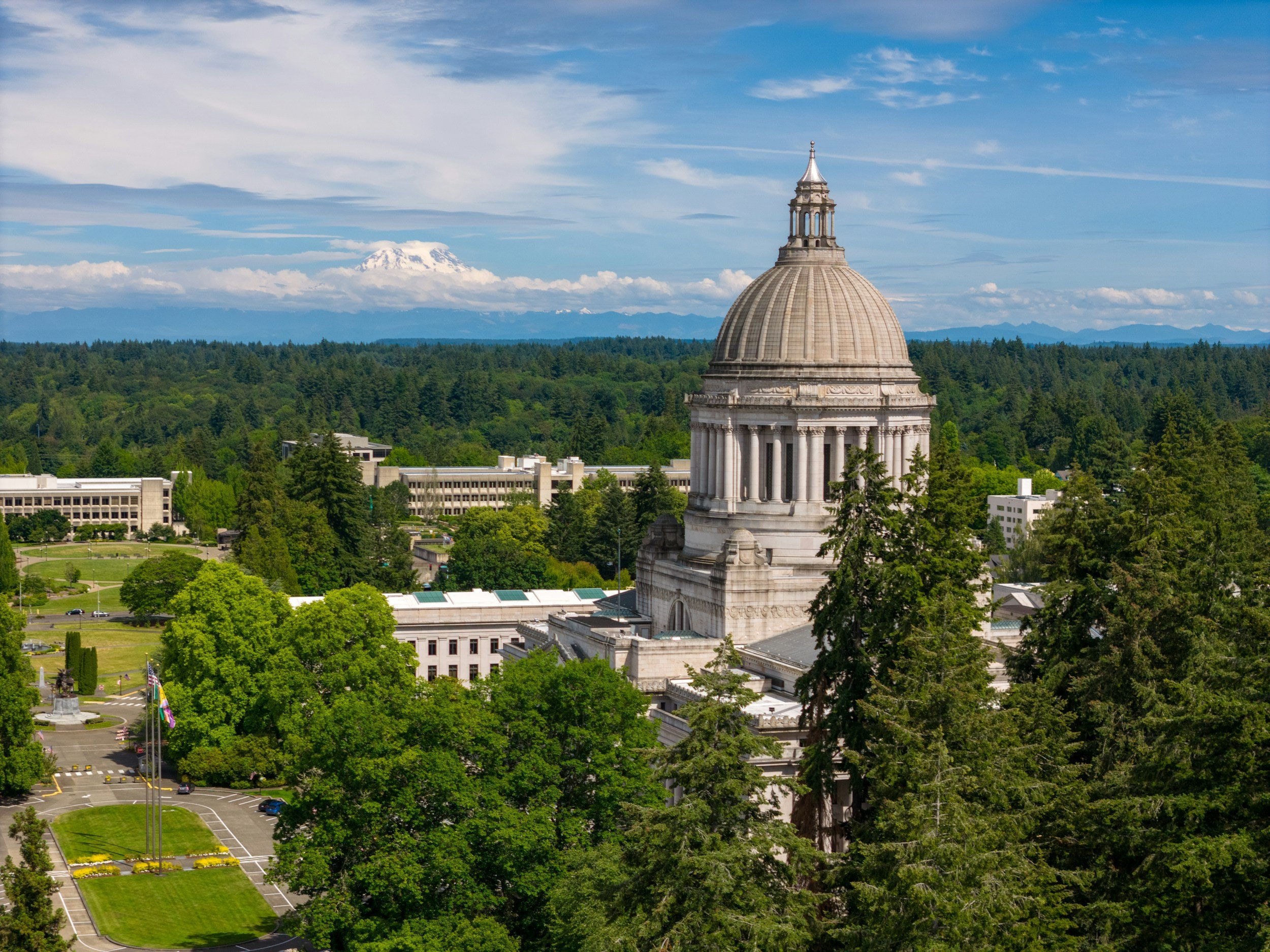
Government Agencies
Local, state, and federal agencies make land-use decisions every day and across every scale. This work must be well-informed to be effective, which is why we partner with agencies throughout the country to develop place-based research and reports. From local waterways to expansive recreational lands and vast western rangelands, our studies help agencies maximize environmental, social, and economic benefits.
Local
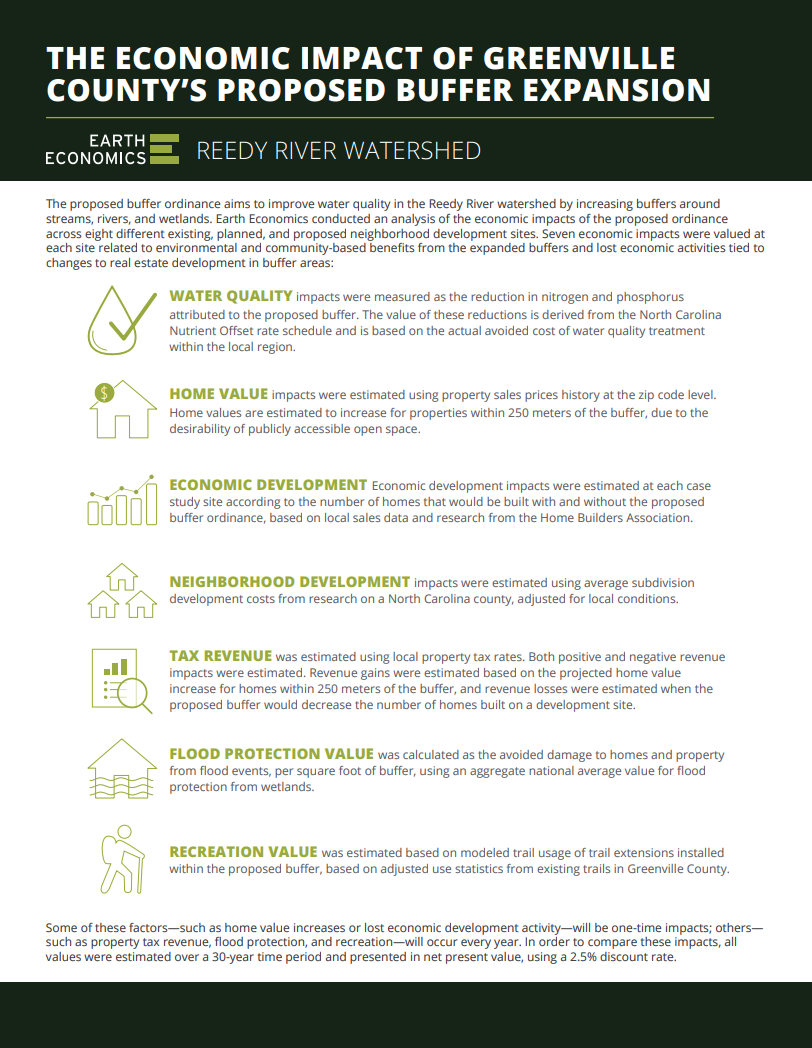
The Economic Impact of Greenville County’s Proposed Buffer Expansion: Reedy River Watershed
Greenville County, SC faced challenges of balancing water quality, flood protection, and recreational opportunities with neighborhood economic development, real estate values, and tax revenues. In 2019, the Reedy River Water Quality Group Reedy River Water Quality Group asked Earth Economics to assess the benefits of expanding buffers along the river. Our research helped to persuade the City Council to extend protections in 2023.
State
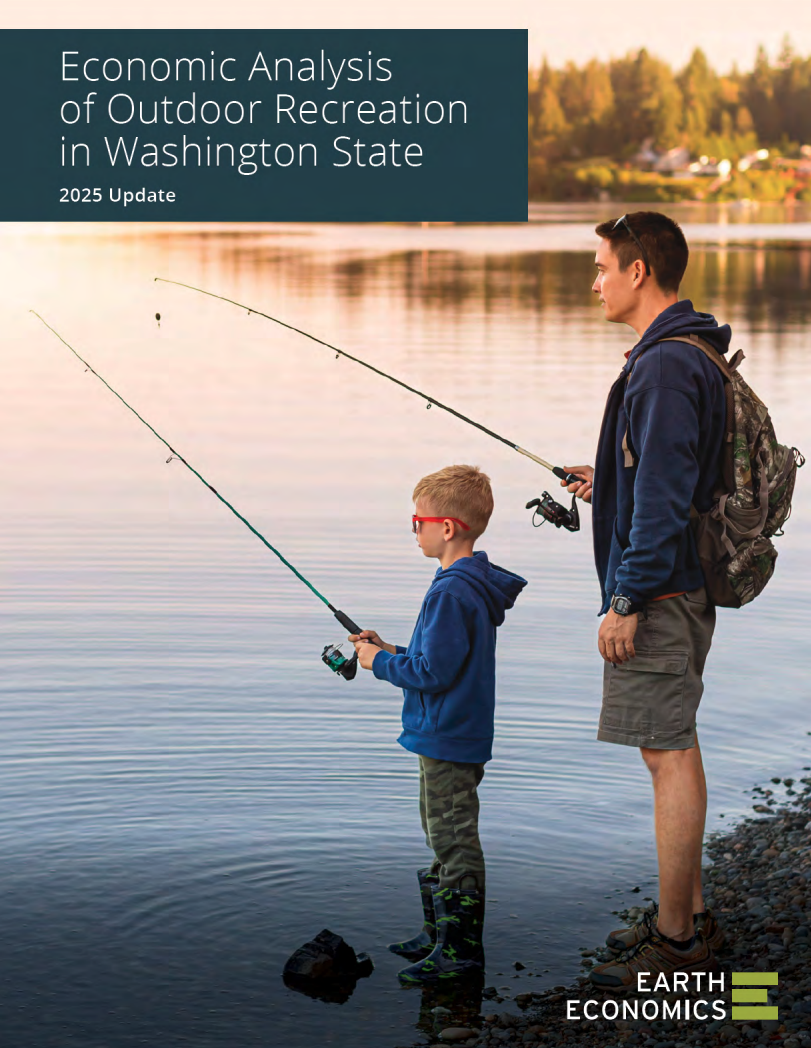
Economic Analysis of Outdoor Recreation in Washington State, 2025 Update
Outdoor spaces across Washington state support unparalleled quality of life and thriving recreational economies. In partnership with the State Recreation and Conservation Office, Earth Economics assessed the contribution of outdoor recreation to local economies and community wellbeing. We found that in 2024, recreationists spent $25.2 billion and supported over 237,000 jobs across the state. These findings help state and local agencies strengthen economic resilience and ensure that outdoor recreation remains accessible and sustainable for generations to come. Explore the report >
Federal
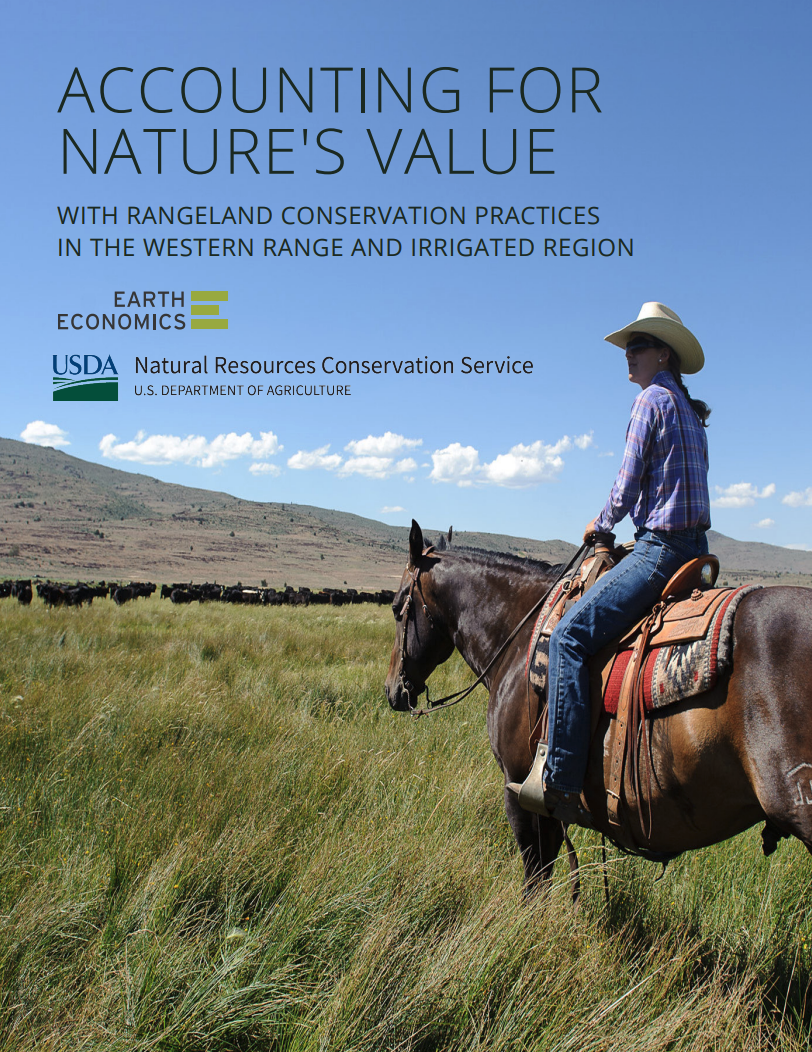
Accounting For Nature’s Value with Rangeland Conservation Practices in the Western Range and Irrigated Region
For decades, the USDA has offered incentives to ranchers who apply best-management practices to maintain and improve rangeland environments. In 2024, as part of the Conservation Effects Assessment Project of the Natural Resources Conservation Service, we helped to quantify the value of conservation efforts on private and public rangelands. Three conservation practices—Brush Management, Herbaceous Weed Treatment, and Prescribed Grazing—produced annual benefits ranging from $46 million to $109 million in the Intermountain West. Our findings support expanded conservation practices by broadening financial incentive programs.