

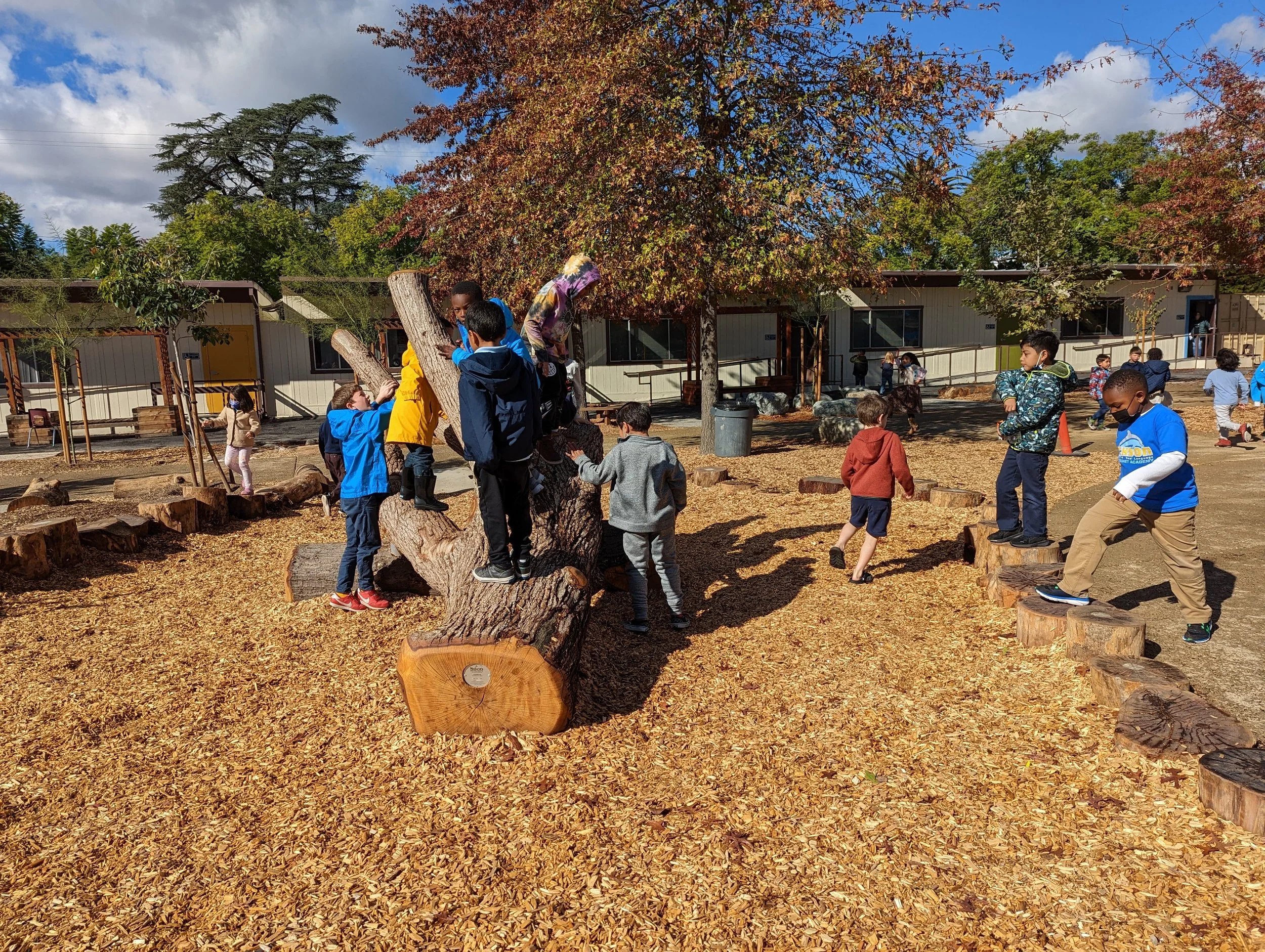
Apply to the Ingrid Rasch Legacy Fund
Applications are now open. The final day to submit is June 12th.
Could your community benefit from strong evidence of the value of greenspace? Are you trying to demonstrate the benefits of local nature-based solutions?
Earth Economics works with community organizations to communicate the benefits of nature‑based solutions. Over more than 25 years, our analysts have helped dozens of communities to advance locally driven environmental solutions by providing real-world economic data to inform decision makers, funders, and fellow residents.
Support from the Ingrid Rasch Legacy Fund (IRLF) enables Earth Economics to provide no-cost technical assistance, helping organizations to grow local solutions that provide a broad range of benefits to their communities.
WHAT WE PROVIDE
The 2026 IRLF recipient will receive free technical support, such as an economic valuation of the broader benefits of their projects, mapping the extent of project benefits, or staff and volunteer trainings.
Economic valuation of nature-centered projects, including local green infrastructure, green workforce development, tree plantings, community gardens, habitat restoration, or local parks. Depending on need and the available data, we could provide estimates of the economic value of ecosystem services and community benefits, qualitative valuation, or help with developing a rigorous conceptual framework.
Maps can demonstrate where nature-based solutions—new green spaces and natural features—provide benefits (ex: reduced flooding, limiting heat extremes, recreational opportunities). These can include interactive web-based maps, print-ready maps, or historic, current, or proposed natural features.
Training services can help activists and stakeholders better understand how green infrastructure, ecosystem services valuation, or mapping can support community objectives. Trainings often offer supporting materials (ex: slides, full presentations), or help in designing future trainings.
WHO THIS IS FOR
The IRLF focuses on applicants with the following qualities:
Nonprofit or community-based organization
Advancing local solutions to environmental injustice, climate hazards, and/or displacement threats
A need for data-driven insights to support organizational goals
Sufficient capacity to participate in regular meetings
The ability to provide the necessary project data
See the past IRLF recipients →
HOW WE WORK
Our team prefers to develop projects collaboratively with partners. We start by listening to your goals and then working with you to design a plan to help you achieve them. Our experienced analysts and designers strive to ensure that all analyses and deliverables are closely matched to partner needs.
Submit Your Application: Technical Assistance for Community Solutions
Applications are due no later than midnight (Pacific) on Friday, June 12, 2026. We will reach out to finalists to schedule virtual interviews in the weeks following.
If you have questions, please contact info@eartheconomics.org.
Our 2025 Ingrid Rasch Legacy Fund Recipient
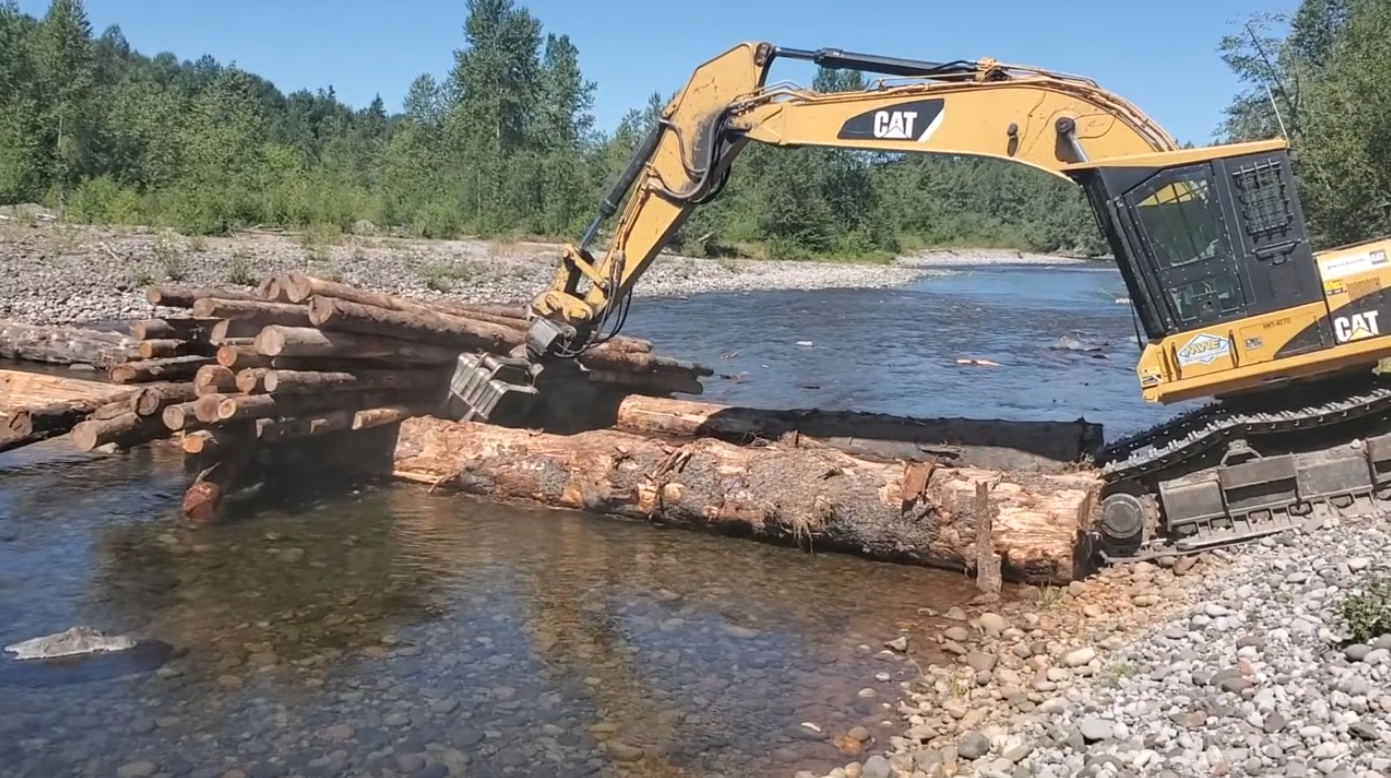
Decades after the Mount St. Helens eruption in Washington state, sediment management in the South Fork Toutle River remains costly, disruptive, and environmentally damaging.
The Lower Columbia Fish Enhancement Group works to restore self-sustaining salmon populations and healthy aquatic ecosystems along sediment-impacted watershed in southwest Washington. Their efforts include restoring river and stream habitats, adding nutrients for juvenile fish, and engaging communities in hands-on salmon stewardship and education.
We helped them demonstrate how nature-based strategies could bring benefit to not only the river, but also to local communities and economies.
By completing a benefit-cost analysis, we evaluated sediment retention, flood risk reduction, habitat improvement, and avoided management costs over time. We found their project provides an average of $78 million in ecosystem service benefits over 30 years for a $30 million investment—or $2.60 for every $1.00 invested. The project also supports $21 million in wages and nearly 400 jobs.
The Lower Columbia Fish Enhancement Group is using these findings to inform restoration planning and investment discussions, supporting a shift toward solutions that reduce long‑term costs while improving ecological and community outcomes.