Community Resilience Hubs
Resilience hubs are trusted facilities that support communities before, during, and after emergencies, helping neighbors to access resources and services, and building trust and community cohesion.
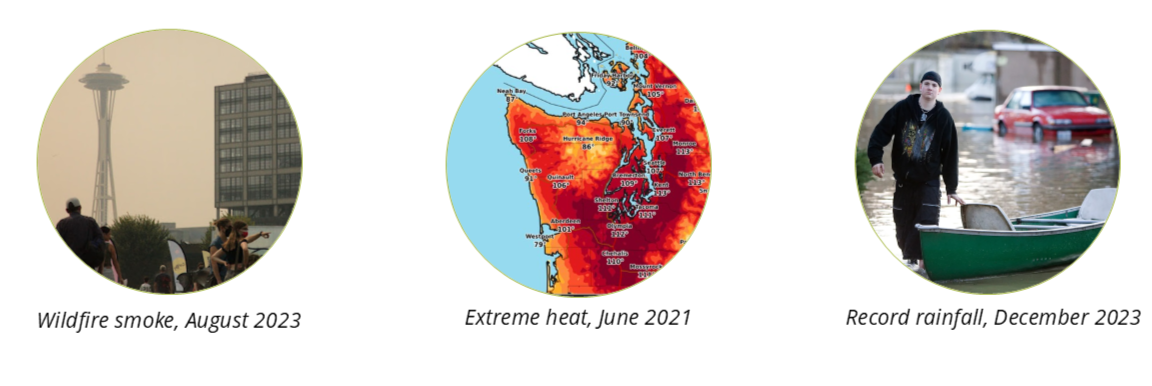
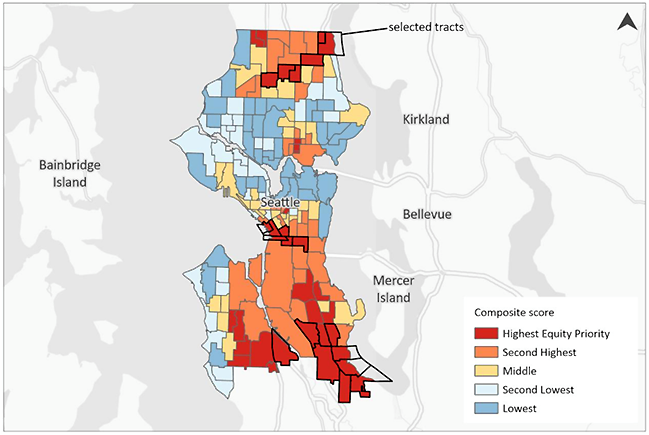
Seattle’s Office of Sustainability and Environment (OSE) and Earth Economics created the Resilience Hub Benefit-Cost Tool and an accompanying User Guide to assess the cost-effectiveness of providing everyday quality-of-life services and disaster-related services in higher-need neighborhoods throughout the city. The tool helps to identify community needs, anticipating community vulnerabilities, and the scale of value that could be offered by resilience hubs:
Disaster relief services
air conditioning during heatwaves
air filtration during wildfire smoke events
heating during cold snaps
Everyday quality-of-life services
childcare, after-school care
senior care
food provisioning
The total annual value provided by three hypothetical resilience hubs in Lake City, Rainier Beach, and Chinatown-International District total $3.4 million. Disaster day benefits account for $2.4 million per year (about 70 percent of the total), with community programming providing the remainder.
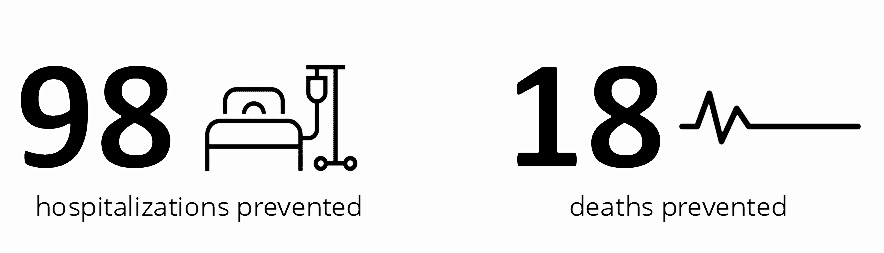
In one example, each dollar invested would provide $2.13 in value and services to over 2,000 people. If resilience hubs were to fully serve all vulnerable populations within selected tracts, total benefits could reach $230 million. Air conditioning and air filtration offer the highest value, as they can reduce deaths and hospitalizations. Capital investments in HVAC systems and building decarbonization are critical for the most-effective hubs.
Such results demonstrate the potential of bolstering social and built infrastructures and bridging community and public services to provide community-centered preparedness and disaster relief. Investing in community-serving organizations and empowering residents to determine hub features and services supports neighborhood social cohesion and cultivates local commitment that is critical to the success of each hub.
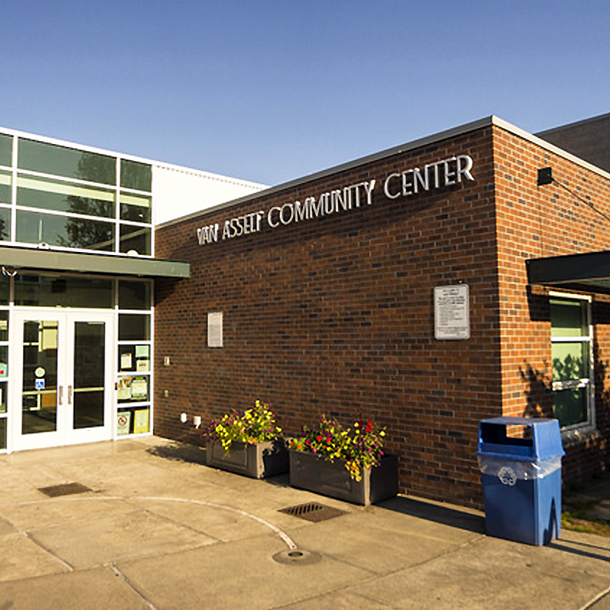
Each hub may provide distinct services tailored to its community, and not all benefits can be easily monetized. Although default values are provided in the tool, results vary by location, the population served, building and staff capacities, and the anticipated frequency of use. There is limited research on the degree to which preparedness—first-aid training, community events, and disaster alert systems—affects disaster response, making it challenging to accurately quantify such benefits. Moreover, some services (especially cultural and social programming) can be difficult to assess. Users are encouraged to complement tool results with local knowledge and community voices.
Outputs
Annual Benefits and Costs
Lifetime Cost-Effectiveness and Benefit-Cost Ratios
Population Served (including socio-demographics)
Inputs
Hub Characteristics (e.g., building size and capacity)
Service Offerings (e.g., days per week services are offered)
Cost Assumptions (e.g., wages, energy and retrofitting costs)
The Resilience Hub Benefit-Cost Tool was designed for policy makers, planners, community-based organizations, and other groups interested in planning, building, or upgrading resilience hubs within the City of Seattle. Metrics reported by the tool can be used to support fundraising proposals, planning and implementation, and awareness raising.
Contact info@eartheconomics.org for more information about the tool and User Guide.