

H2Ohio: Crucial Investments to Protect Ohio Wetlands
Harmful algal blooms in the Western Basin of Lake Erie in 2019 spurred Ohio decision-makers to action. That year, Governor Mark DeWine established H2Ohio, a highly effective state program to address the complex issues impacting Ohio waters.
From wetland restoration programs to incentives for farmers to reduce agricultural runoff, H2Ohio programs deliver broad benefits to the people, economy, and environment of Ohio.
In 2025, the Ohio legislature reduced the budget of H2Ohio, but without a full understanding of the program’s benefits.
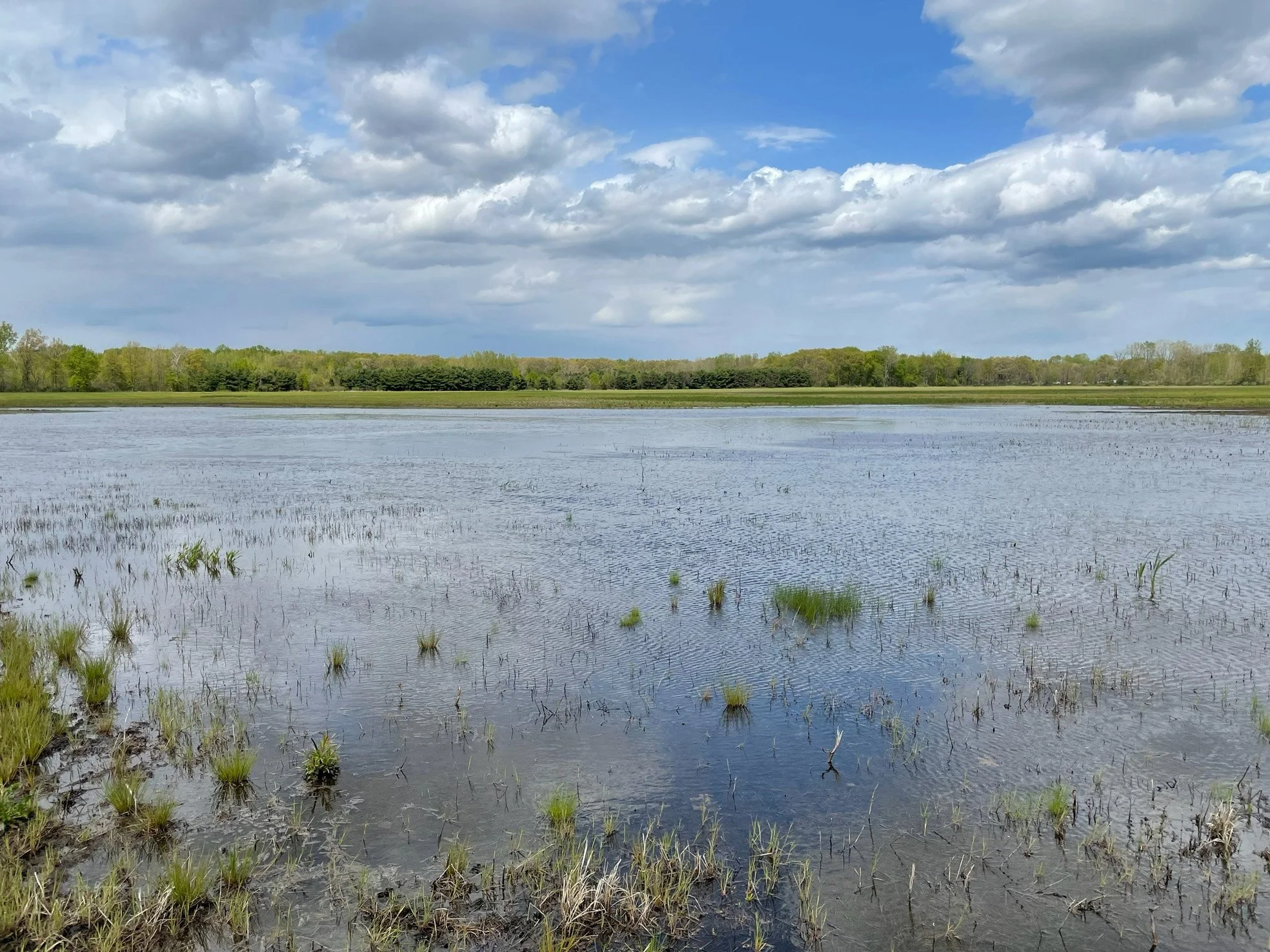
Courtesy of The Nature Conservancy.
H2Ohio is a wise investment: benefits outweigh costs
Legislators and decision-makers need reliable data on the benefits and costs of H2Ohio to make informed decisions about the future of the program.
We partnered with The Nature Conservancy to evaluate H2Ohio’s cost-effectiveness and the measurable benefits to Ohio’s people, economy, and environment. We conducted a rigorous economic analysis of the non-market benefits of H2Ohio and the ripple effects of program investments.
Our data demonstrates that H2Ohio generates strong returns, because restoring wetlands and reducing nutrient runoff lowers costs and improves quality of life, while strengthening local economies throughout the state.
Key findings: benefits ripple outward
Through our research and analysis, we found:
$300 million in annual benefits produced by more than 180 projects over 11,000+ acres across Ohio
Every $1 invested in wetlands returns $8 in value to the public
Over 270 full- and part-time jobs—and over $17 million in wages—supported by H2Ohio programs
$48 million in total economic activity each year spurred by the program
These findings confirm that H2Ohio is a cost-effective investment that improves quality of life in Ohio, from today into the future.
The Nature Conservancy is using these findings to make sure that decision-makers are fully aware of the benefits and impacts of the program.
Please fill out the form below to access the full report.
Your information will be kept confidential, and we will never share or sell it to third parties.
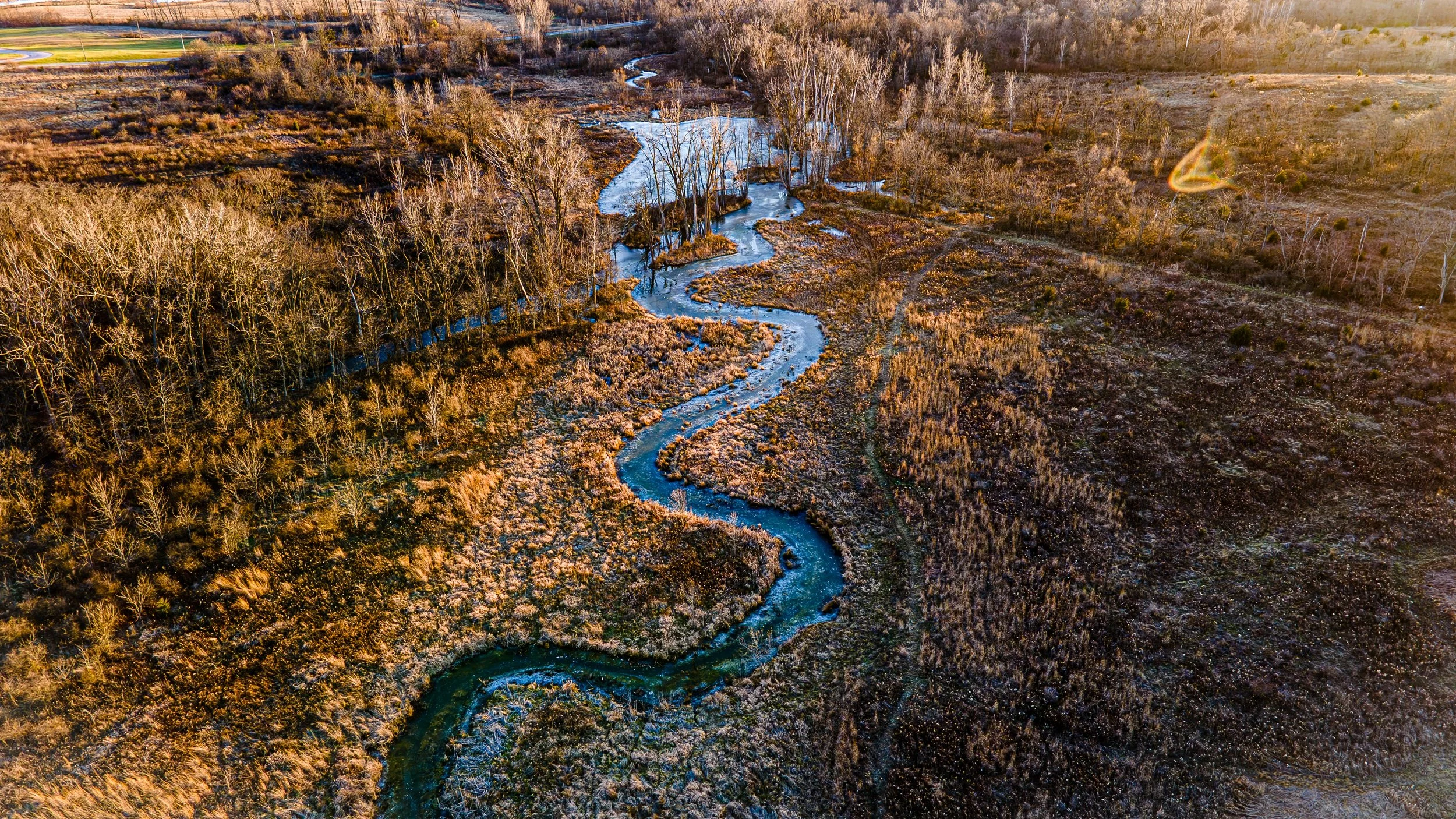
Courtesy of The Nature Conservancy.
Understand the value of your wetlands
Following the 2023 Sackett v. EPA decision, many states have assumed greater responsibility for protecting their wetlands and waterways. It is critical to clearly and effectively communicate the full benefits of protecting and restoring wetlands, from capturing runoff and limiting downstream flooding, improving water quality, safeguarding habitat for fish and wildlife, and providing recreational opportunities.
Our approach to analyzing H2Ohio impacts can be applied to other state wetland programs. This approach contains:
Estimating the economic value of protecting and restoring ecosystems
Identifying the communities who benefit from these investments
Determining the effects on employment, wages, and the state economy
This report prepares the ground to replicate such efforts throughout the United States.
We hope to equip other agencies and organizations with the robust, defensible, and applicable information needed to inform decision-makers about the benefits of wetland protection.
If you are interested in exploring a partnership, please get in touch by sending an email to info@eartheconomics.org.
In the news
New report finds H2Ohio program brings multi-million dollar return on investment to the state | WYSO
Economic returns for wetlands and farming investment | Ohio’s Country Journal
“H2Ohio and the Value of Restoring Watersheds” report reveals economic returns for wetlands and farming investment | The Nature Conservancy
Gov. DeWine pushes for a long-term funding plan for Ohio's clean water program | 91.7 WXVU News
Ohio has had economic success around Lake Erie. Others can duplicate it. | Crain’s Cleveland Business