Coastal Restoration Benefits California’s Economy
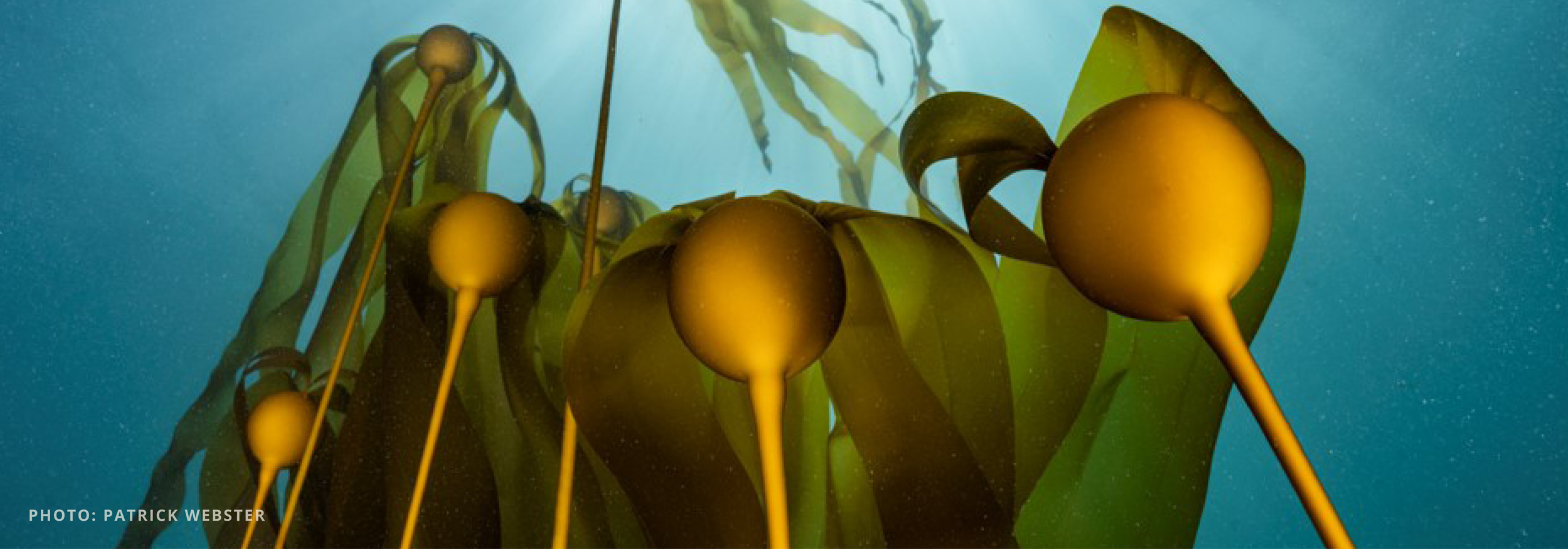
Restoring California’s coastal ecosystems is rebuilding kelp forests and protecting endangered species—but it is also bringing real money and jobs to communities up and down the coast.
The Nature Conservancy in California asked us to quantify how the Pacific Coast Ocean Restoration (PCOR) Initiative—an $18 million investment—ripples through the state economy, from restoration organizations, to aquaculture facilities, to local businesses.
Our co-produced report, The Pacific Coast Ocean Restoration Initiative Supports California's Economy and Creates Jobs (see below), summarizes the economic impacts of these restoration investments.
SUMMARY
PCOR is an $18 million investment in coastal restoration in California
Restoration supports 56 industries across the state
97 percent of the spending is in-state
Every $1 invested generates $1.87 in economic activity
That $18 million investment drives $32.7 million in total economic activity
About the project
In 2024, The Nature Conservancy, together with over 20 partner organizations, launched the Pacific Coast Ocean Restoration (PCOR) Initiative: a statewide effort to restore and recover degraded marine ecosystems along California’s coastline.
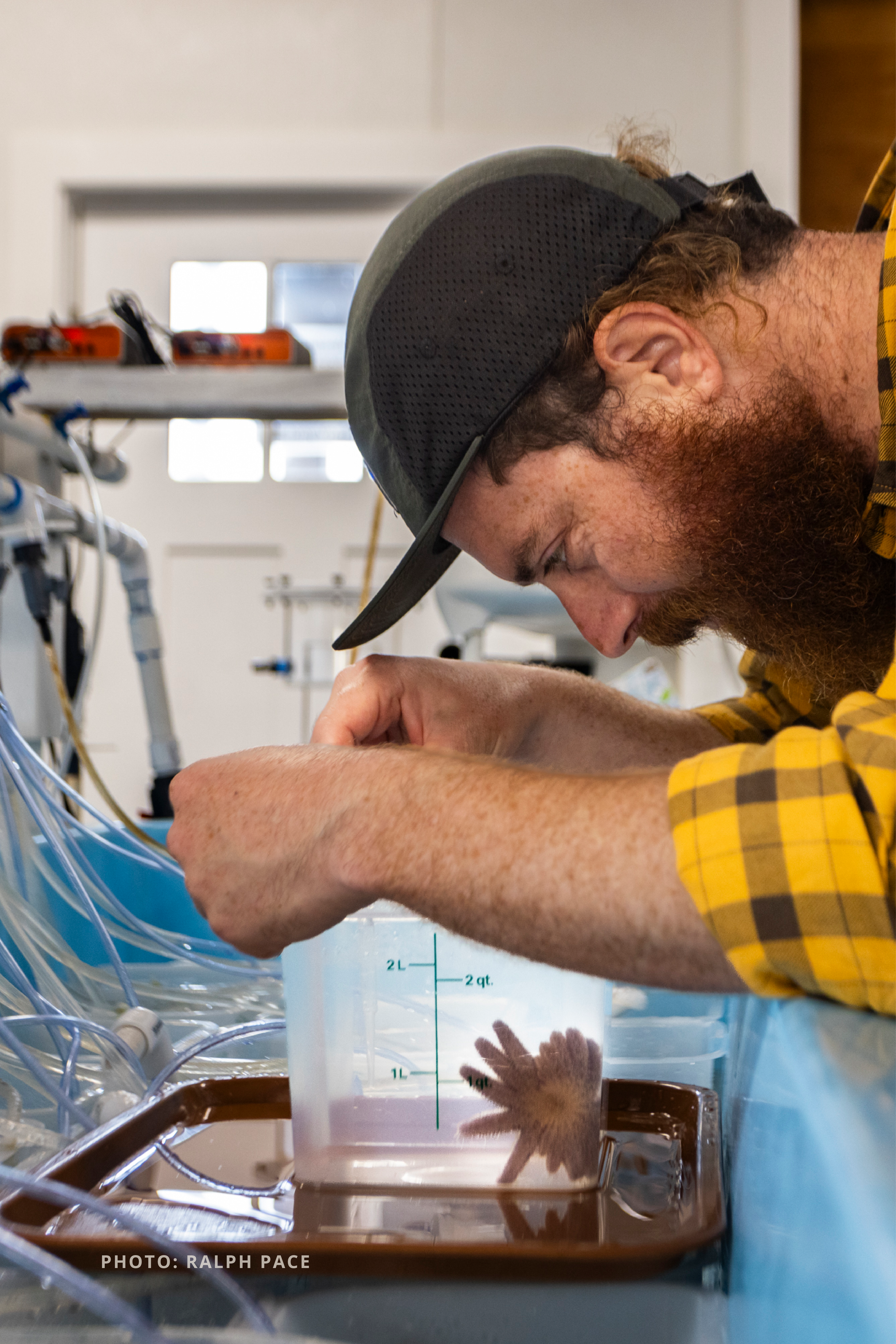
Supported by an initial $18 million investment from NOAA, the Initiative couples ecosystem recovery with investments in infrastructure, science, workforce development, and partnerships.
While the ecological value of marine restoration is often recognized, the economic contribution of such investments is less well-understood. To shed light on those benefits, we conducted an economic impact analysis, which quantifies how PCOR investments ripple throughout the California economy.
The findings
The economic payoffs are clear: the $18 million PCOR investment delivers measurable returns across the state. We found that every $1 invested generates $1.87 in economic activity, supporting an average of 107 jobs every year and driving $32.7 million in total statewide economic activity over the initiative’s first three years.
By showing how investments in restoration ripple out to other industries, this shows that marine restoration is not just an environmental priority for the California coastline, but also a practical strategy for buoying the state and local economies.

Download the report
Please fill out the form below to access the project factsheet. Your information will be kept confidential, and we will never share or sell it to third parties.
Spotlight: partnering with sea urchin divers
Kelp forests support over 1,000 marine species, providing habitat, nursery, and foraging grounds for important species. Unfortunately, over 90 percent of the North Coast’s bull kelp forests have been lost in the past decade.
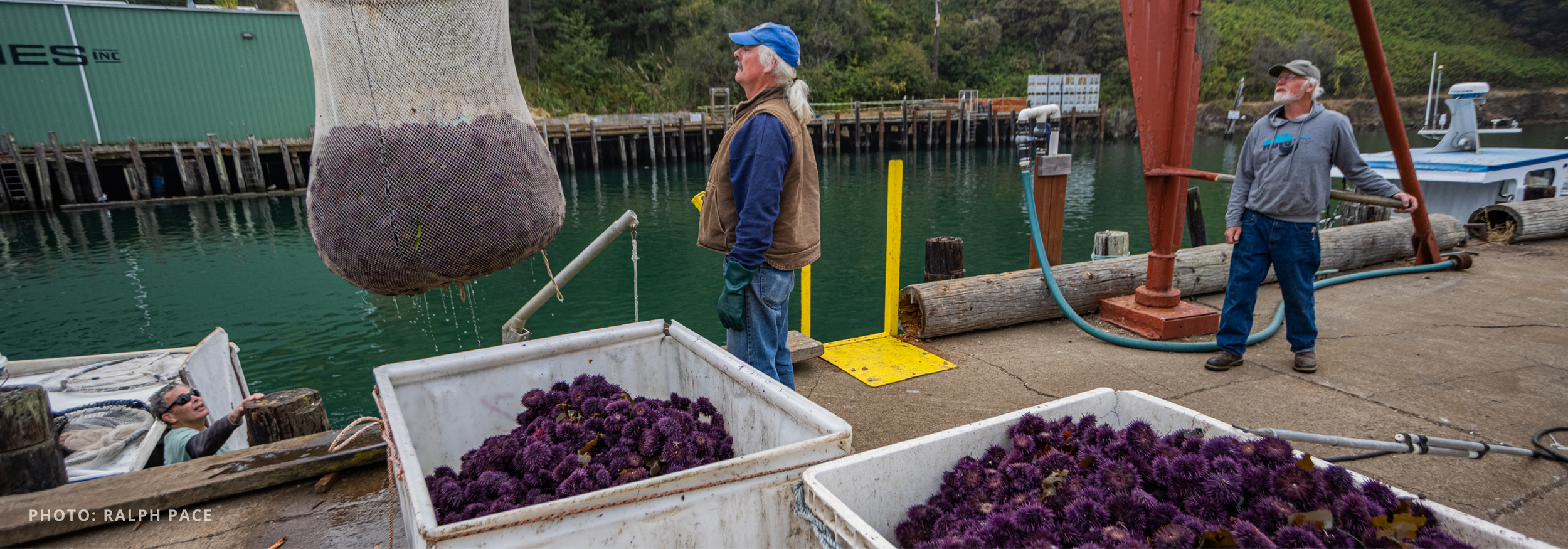
To support recovery of these kelp forests, the PCOR Initiative has partnered with commercial divers reduce to the purple sea urchin populations that have over-grazed these kelp beds. As of the autumn of 2025, divers harvested over 44 tons of purple sea urchins. This investment in California’s diving industry supports both ecosystem recovery and local livelihoods—each $1 invested generates $1.64 in economic activity throughout the state.
On the horizon
Investing in marine restoration drives economic activity well beyond the individual restoration sites. These positive economic returns provide a glimmer of what a more sustained investment in marine restoration could deliver, both ecologically and economically.
As California and the world continue to prioritize climate resilience, biodiversity recovery, and coastal economies, expanding such investments will be critical.