Measuring Microforests: Small Spaces, Big Impact
Microforests are small, densely planted ecosystems that produce big, measurable benefits.
Planting a microforests is cost-effective, community-driven strategy to meet climate resilience, urban greening, and environmental justice goals. Urban communities are turning underused spaces into biodiverse forests—and we’re helping quantify the benefits they bring. Our analysis is quantifying their return on investment and helping communities make the case for more microforests.
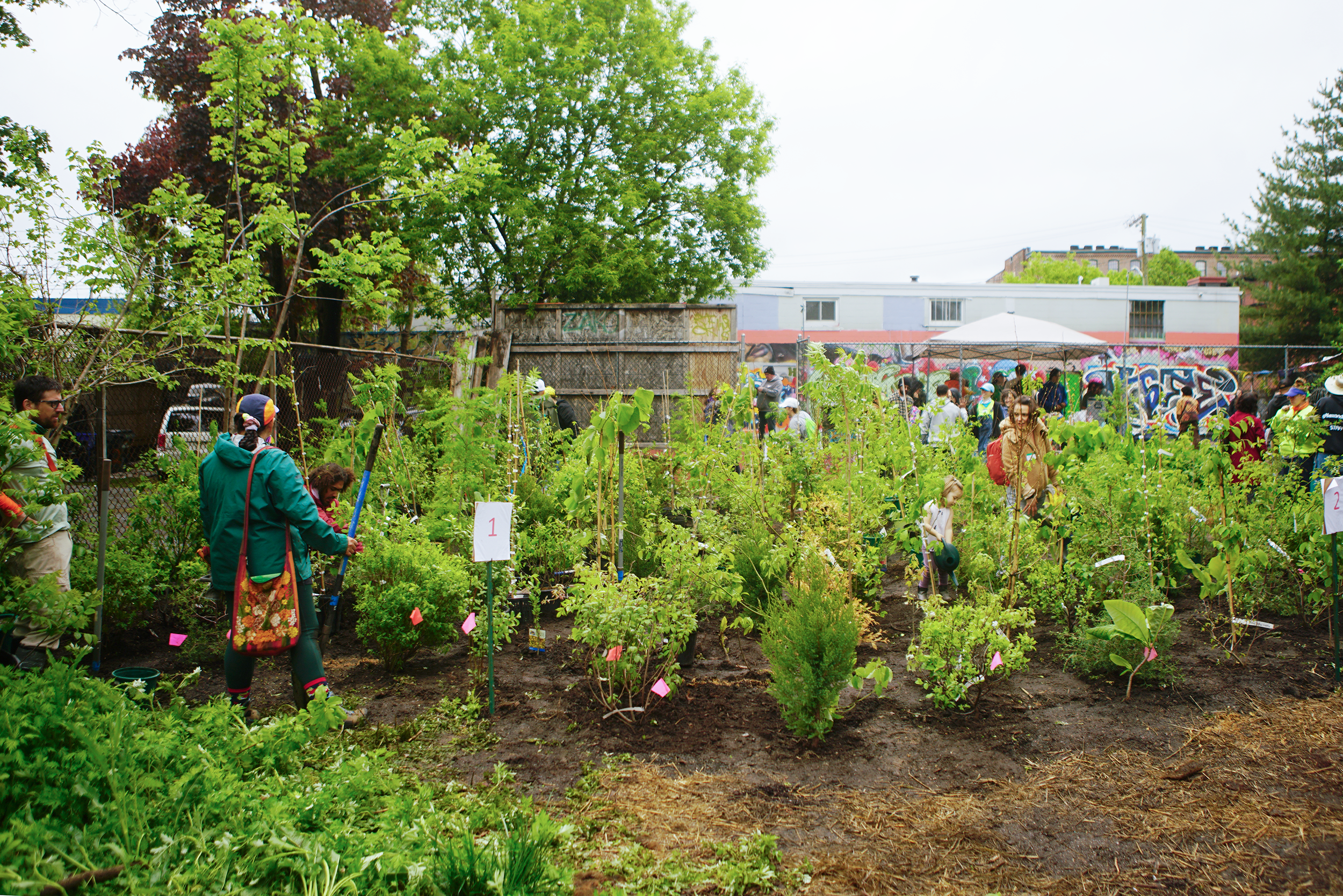
Photo: Alexandra Ionescu
Why microforests?
Small spaces, quick timelines, big impacts. Microforests in small spaces around libraries, schools, and vacant lots can grow quickly, which helps lower heat, capture stormwater, and provide habitat on a short timescale.
Cost effective + low maintenance. Planting a microforest is a modest investment, considering the benefits they bring. Engaging the community in both planting and maintenance strengthens interpersonal connections, nurturing a sense of pride and investment in the neighborhood.
Meet multiple goals at once. From strengthening climate resilience, to providing more equitable access to greenspace, to improving quality of life, microforests can be a win-win-win.
VIDEO
Small Spaces, Big Community Benefits: Why Microforests Make Economic Sense
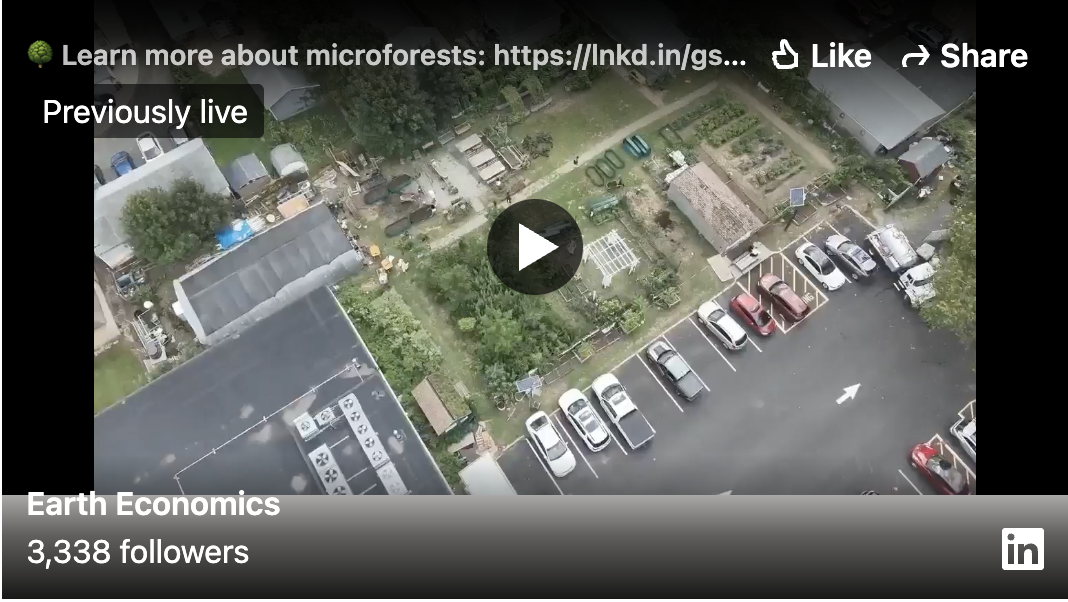
Listen into this conversation about the strategy and return-on-investment of microforests, featuring Groundwork USA affiliates and Olivia Molden from Earth Economics.
Micoforests in action
The Groundwork Network is a national network of community-centered organizations working to build healthier, more resilient neighborhoods. They’ve embraced microforests as a strategy to engage neighbors in growing and maintaining greenspaces to transform communities.
To make a case for expanding microforests, we’ve partnered with Groundwork affiliates in the northeast to better understand their benefits to communities. This work is supported by the Kresge Foundation, which enables us to provide high quality, useful data to advance the work of the Groundwork Network.
"Groundwork Affiliates are consistently asking for ways to better inform their community and residents about the options they have at hand to adapt to the rapidly-changing conditions of their neighborhoods. By working with Earth Economics to evaluate the social, environmental, and economic benefits of our microforests and other green infrastructure solutions, we are able to better serve our Network to understand which interventions—whether it be a park, bioretention gardens, or microforests—are the best-suited for the needs of the community and the context of the project." ~ Jeremy Hoffman, Groundwork USA
Groundwork Hudson Valley
Location: Yonkers, NY
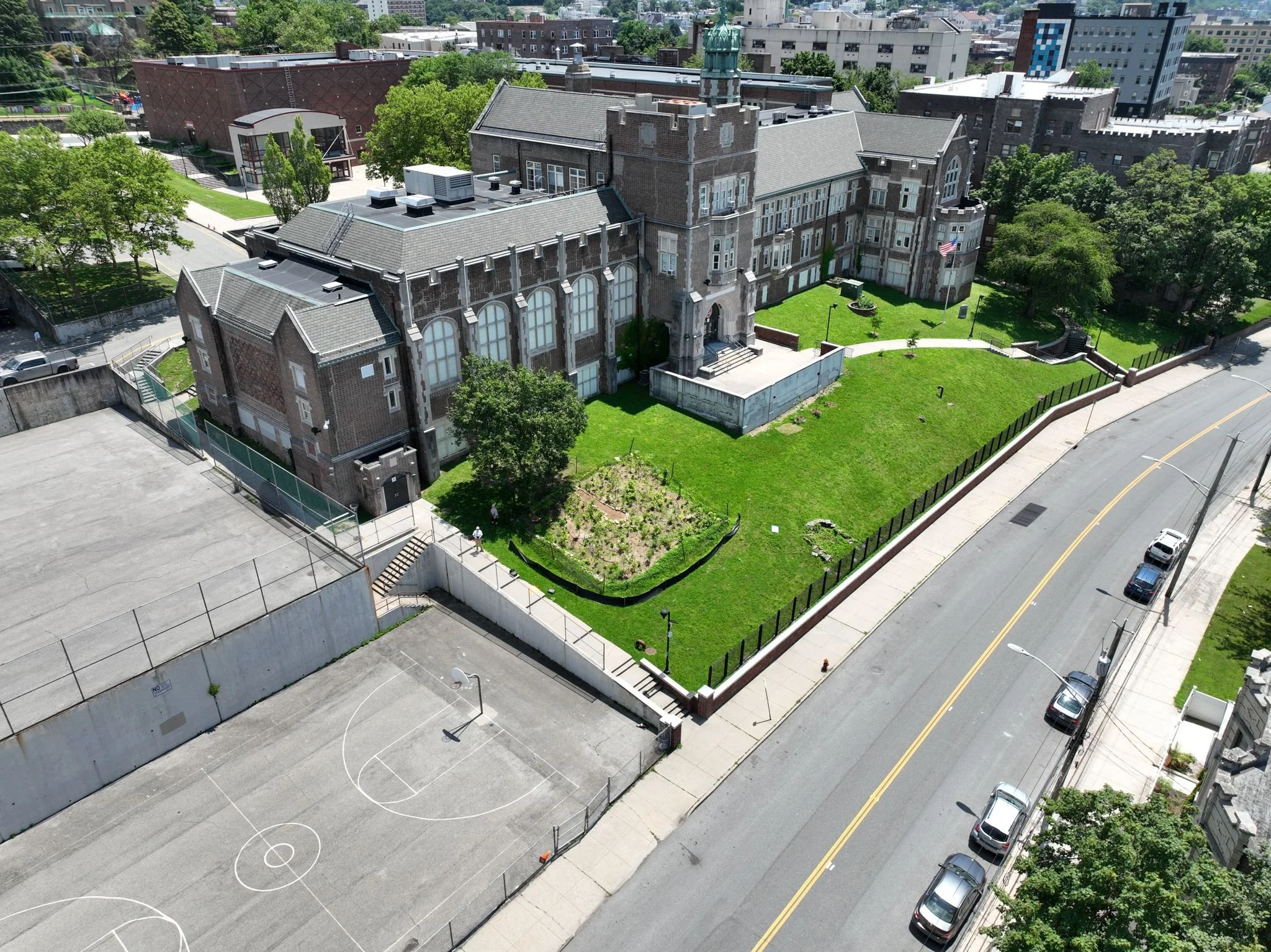
This microforest of 300 trees covers just 1,015 square-feet (slightly more than a high school classroom) at the Barack Obama School for Social Justice.
The microforest provides $17,700 in community benefits to students and neighbors each year. Learn more
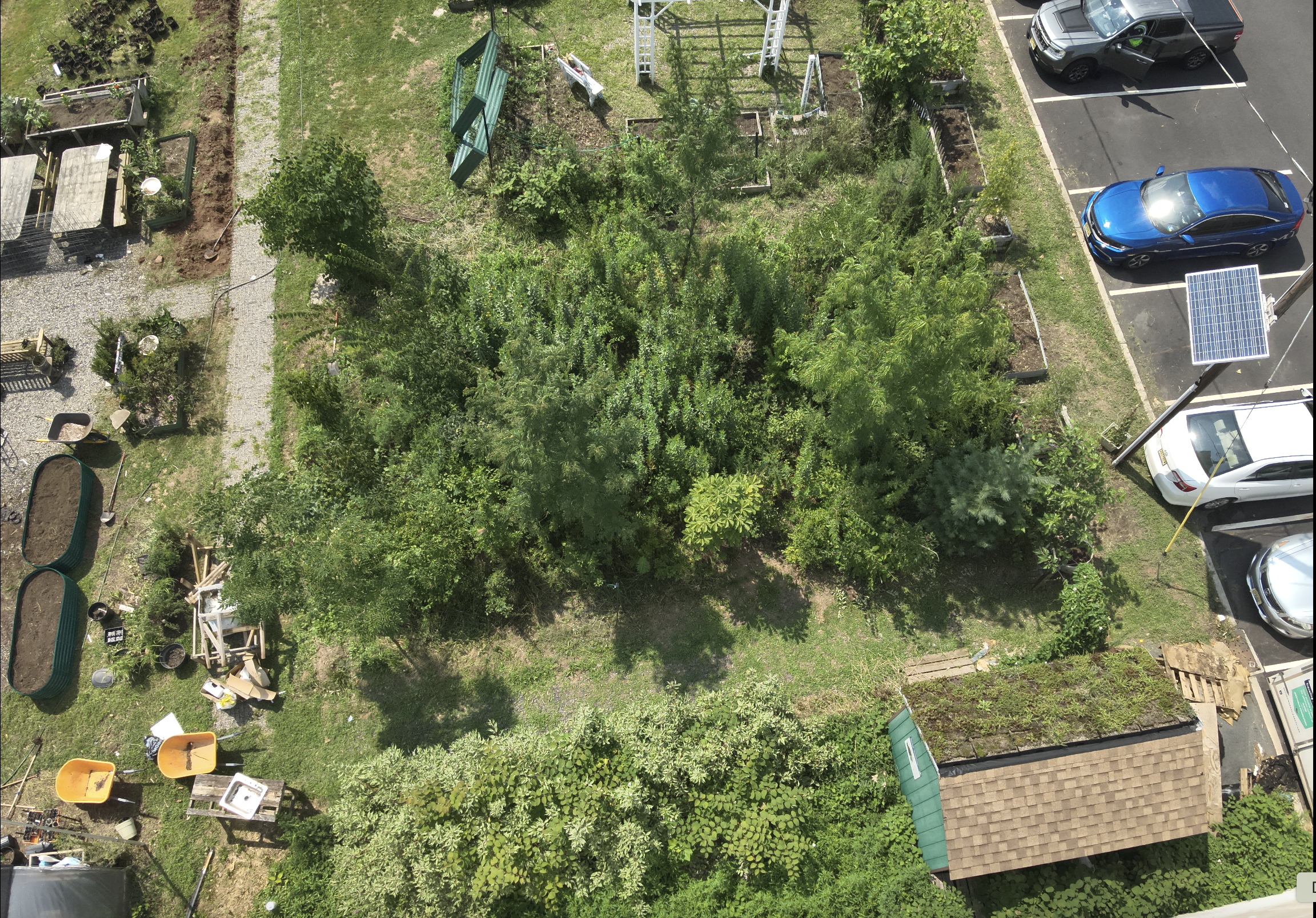
Groundwork Elizabeth
Location: Elizabeth, NJ
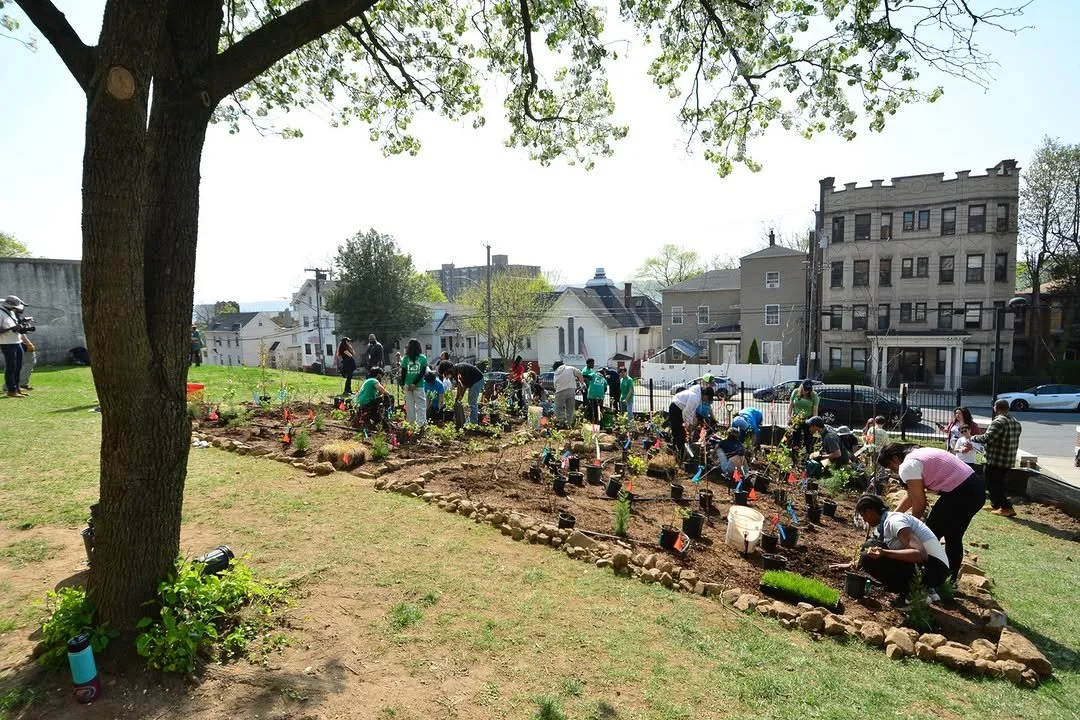
600 trees across three locations need only 5,400 square feet to thrive (about the size of a basketball court).
The three microforests in Elizabeth provide an average of $11 for every $1 invested, providing a cost-effective way to add community greenspace. Learn more →

Credit: Alexandra Ionescu
Groundwork Rhode Island
Location: Providence, RI
Community members are planting over 1,700 trees in two Providence microforests.
These two microforests will provide the equivalent of $237,000 in community benefits over a projected 50-year lifetime. Learn more
Explore the findings
Please fill out the form below to access the factsheets with our economic analyses of Groundwork microforests.
Your information will be kept confidential, and we will never share or sell it to third parties.
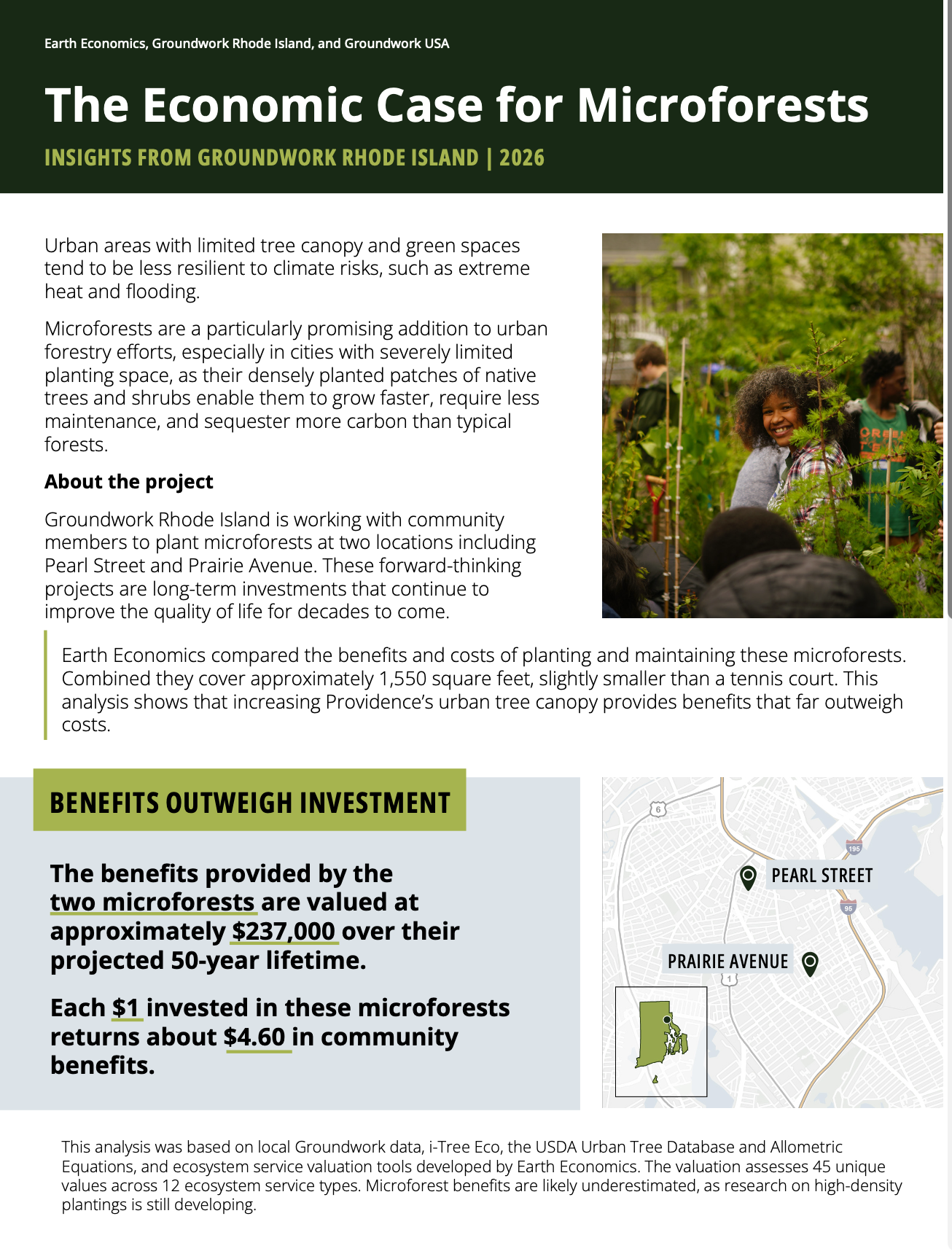
Measuring the impact of microforests
The team at Earth Economics analyzed Groundwork microforests to:
Determine whether their benefits outweigh the costs to plant and maintain them. (And they do—microforests return as much as $13 for every $1 invested!)
Quantify the long-term ecosystem services benefits, including improved air quality, stormwater reductions, and the health benefits of lower local temperatures
Provide comparisons of different green investments for small spaces
This clear, defensible data helps Groundwork affiliates communicate the benefits of their projects—and make the case for growing more microforests to their communities.
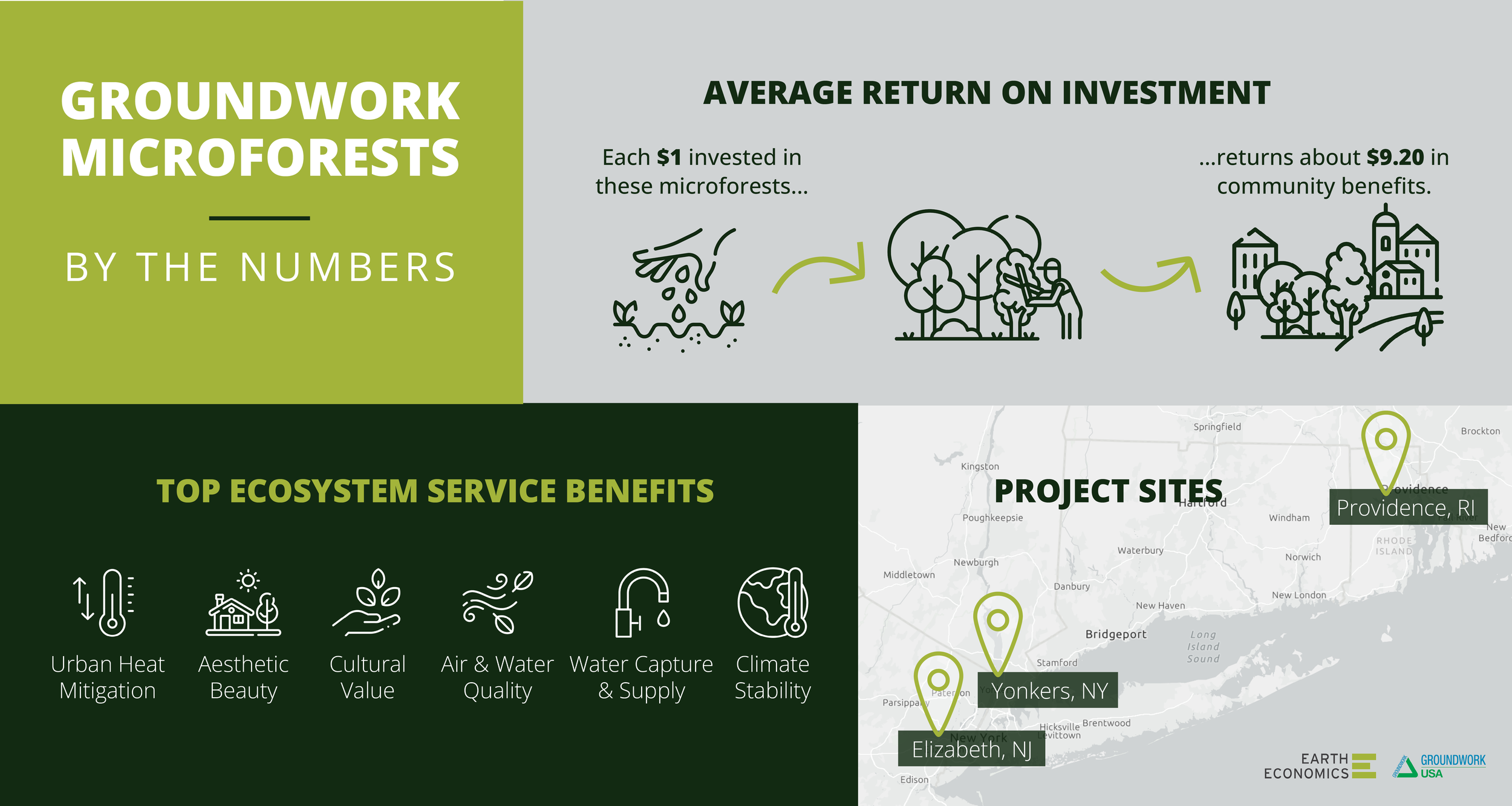
Want to know the benefits of your project?
Whether you are considering developing a microforest—or already have one growing—our team can help you quantify the benefits of your project. Our support can help:
Identify where microforests could provide the most community benefits
Estimate lifetime benefits and costs, helping you to make the case for funding
Evaluate projects already underway to show the return on investment
Get in touch and let’s explore a project together. Reach out at info@eartheconomics.org.
A growing movement: microforests in the news
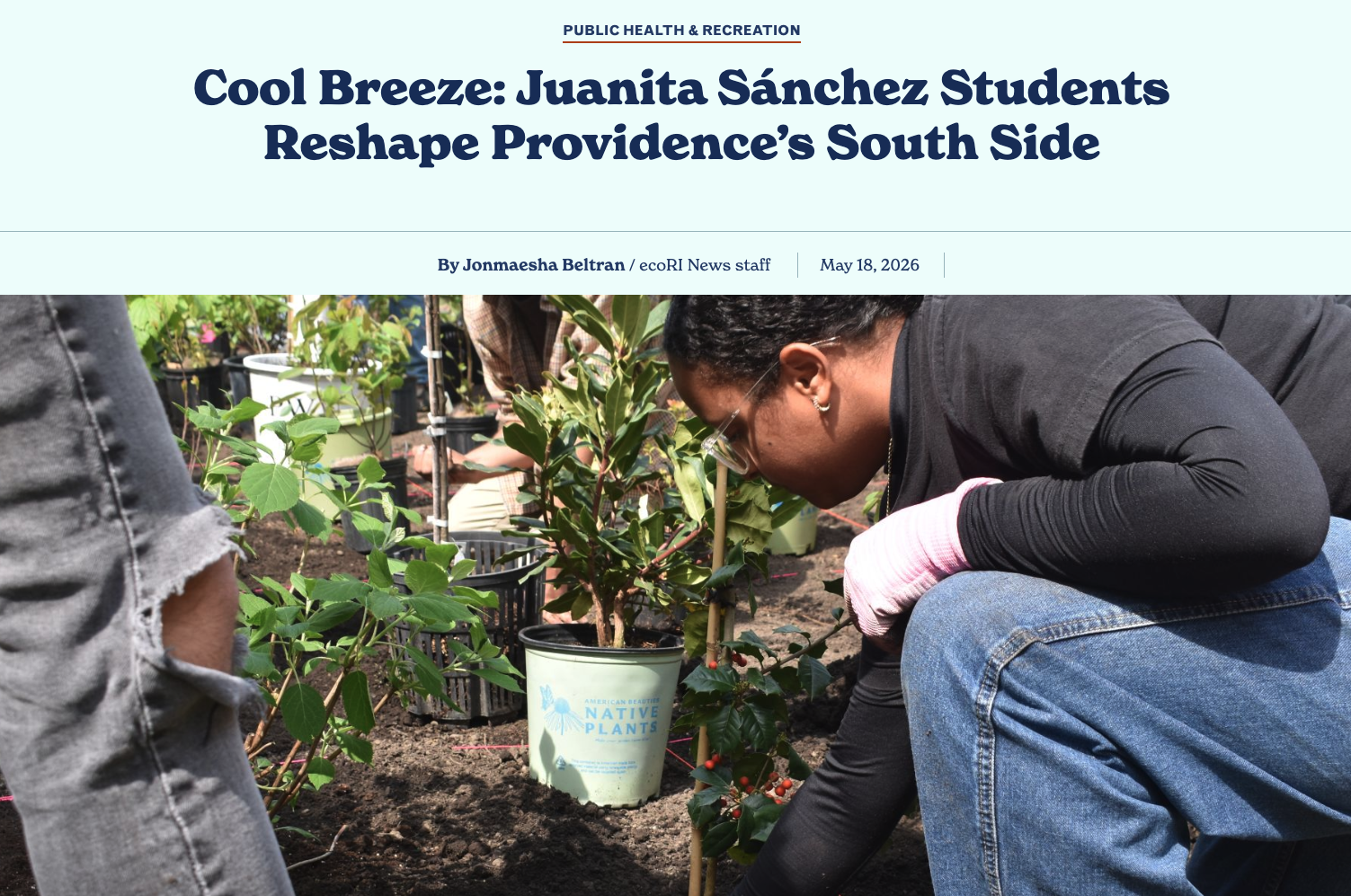
Cool Breeze: Juanita Sánchez Students Reshape Providence’s South Side
ECORI NEWS | MAY 18, 2026
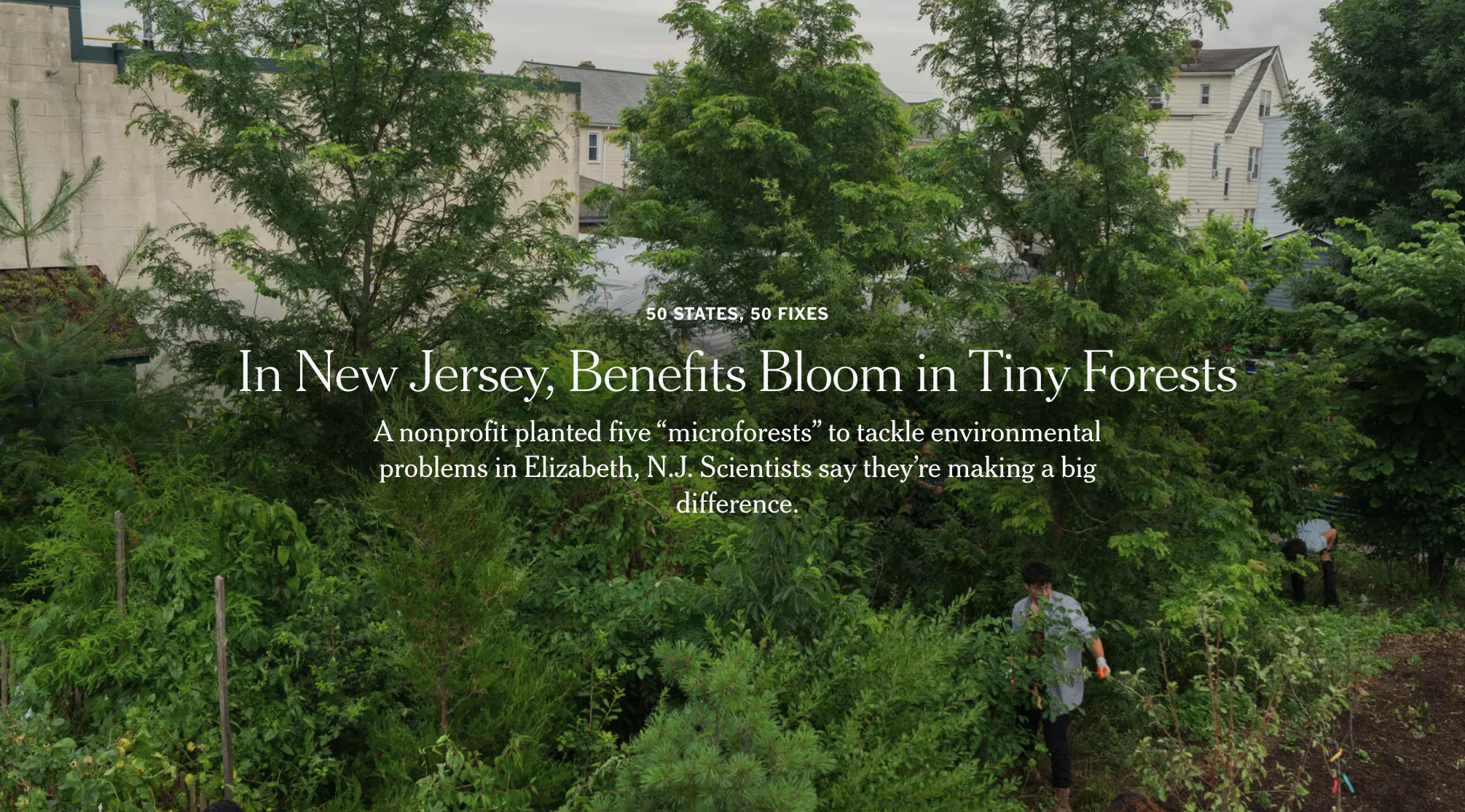
In New Jersey, Benefits Bloom in Tiny Forests
NEW YORK TIMES | JULY 22, 2025
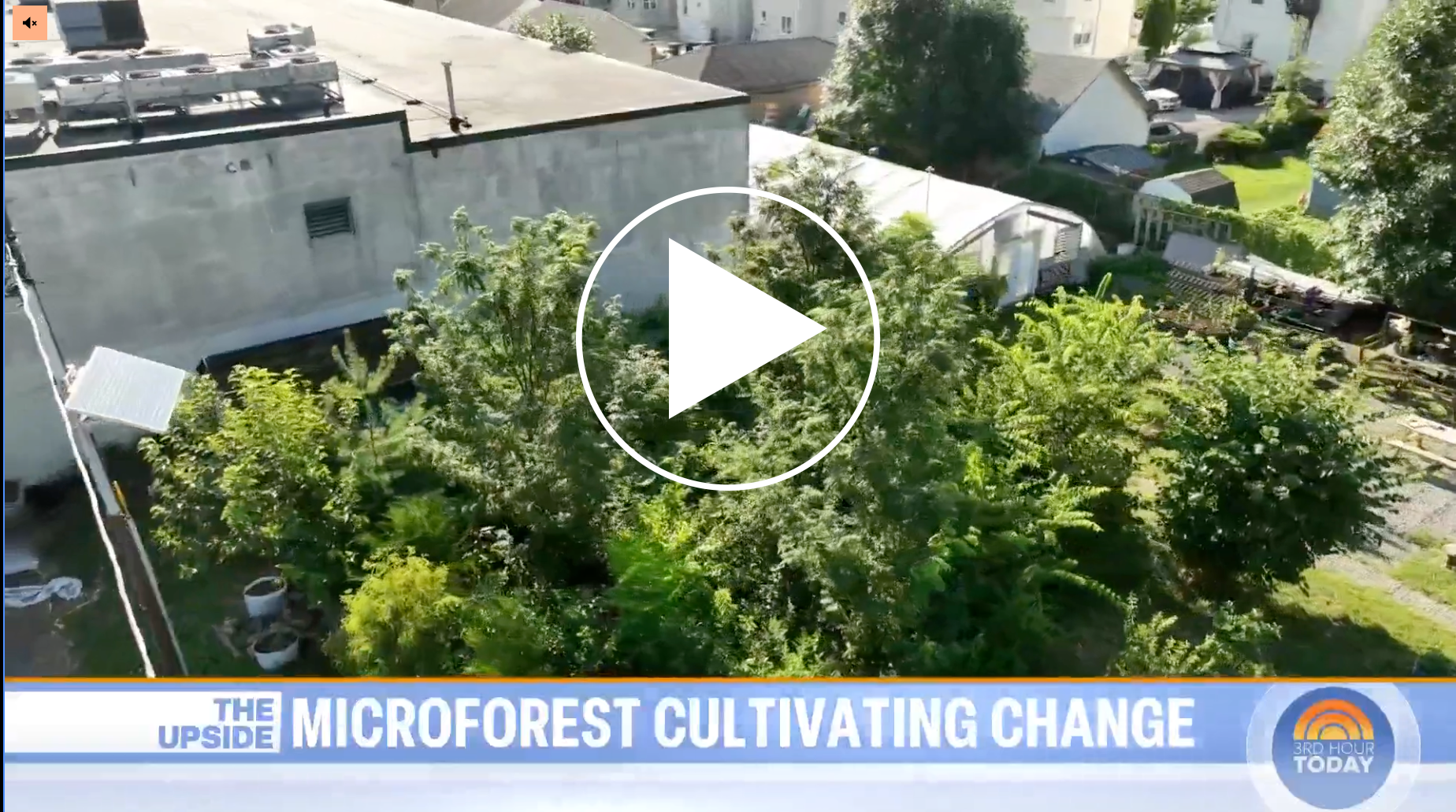
How Microforests Are Helping Improve Biodiversity
USA TODAY | OCT 16, 2025
Scientists make incredible discovery after planting 'microforests' in middle of major city
THE COOL DOWN | AUG 9, 2025