


Businesses & Investors
From regenerative agriculture to green infrastructure, businesses and investors are increasingly seeking ways to generate competitive returns while delivering measurable environmental and social value.
We partner with companies, investment firms, and financial institutions to quantify benefits that traditional metrics overlook—such as ecosystem services, risk reduction, and long‑term resilience. Our defensible economic analyses and decision‑ready tools help businesses communicate impact, inform smarter investments, and demonstrate how working with nature can strengthen portfolios and long‑term value creation.
Helping Agriculture Capital Communicate Their Value
Agriculture Capital manages a growing portfolio of farmland and food infrastructure projects. Their nature-based approach to agriculture supports water conservation, biodiversity, and climate adaptation. They approached us with a question: how much value was being created by their investments in regenerative agriculture?
Our analysis of one of their blueberry farms found that their practices designed to regenerate soils yield big returns, generating over $3 million in ecosystem services over the following decade. Agriculture Capital used these findings in their 2019 Impact Report (pages 5-6) to communicate the economic value of regenerative practices to investors and stakeholders and build momentum for this work.
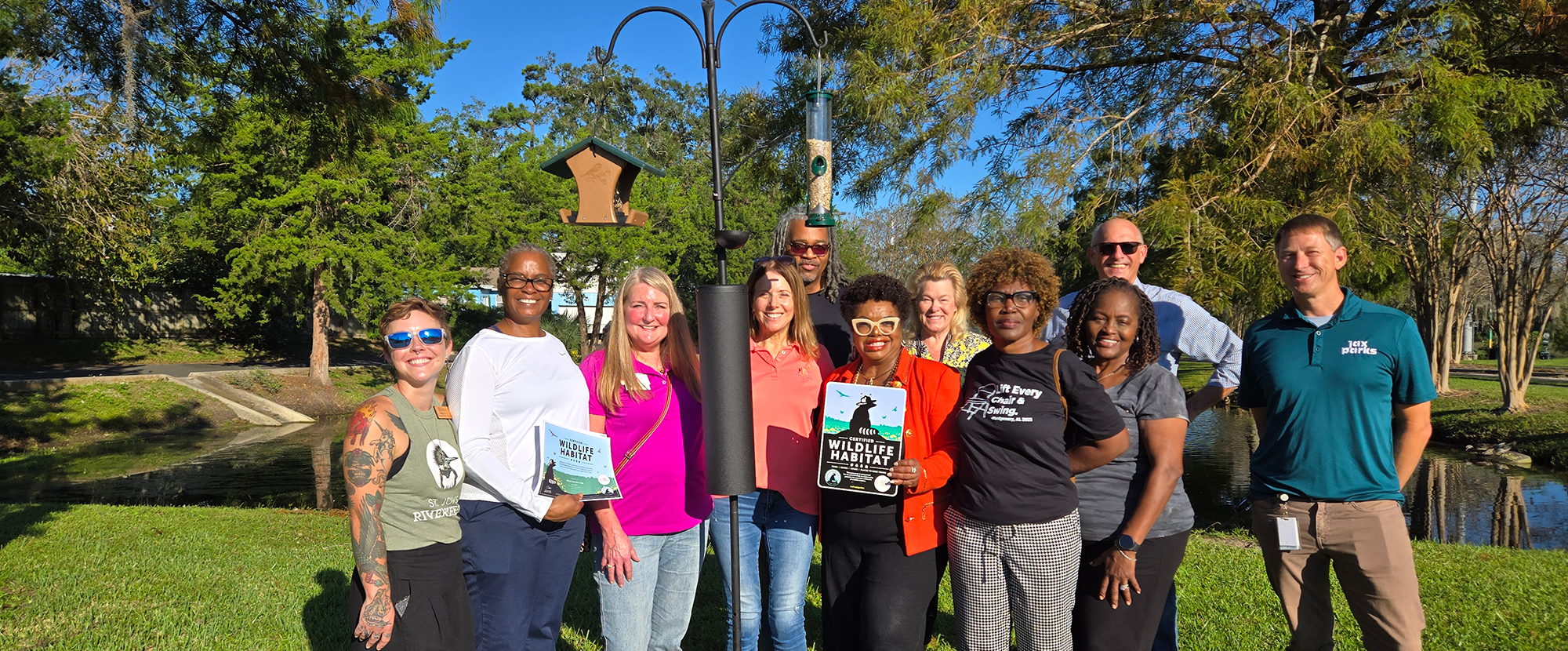
In the past several years, investments by Community Development Financial Institutions (CDFIs) in green infrastructure projects and nature-based solutions have grown considerably. From parks in historically underinvested neighborhoods in Jacksonville, FL to green infrastructure in the heart of Washington, DC, we’re helping CDFIs evaluate their portfolios and make smart decisions.
We analyze and translate those investments into defensible economic reports and decision-ready tools. This gives Green Banks and CDFIs the evidence they need to underwrite, communicate, and scale investments.
Informing Smart Investments by Measuring Economic and Environmental Returns
Quantifying Invisible Benefits: Soil Health and Quality Valuation Tool
As the Iroquois Valley Farmland REIT (Real Estate Investment Trust) scaled its investments in organic and regenerative farmland, they saw an opportunity to better understand—and clearly communicate—the value that soil health improvements generate for both farm performance and long‑term resilience of their portfolio.
In 2024, we helped them track the regenerative outcomes that are often omitted in conventional land valuation by developing the Soil Health and Quality Valuation Tool. This custom tool quantifies soil health and related ecosystem outcomes across their farm portfolio, translating soil quality improvements into decision‑relevant indicators. The tool distinguishes between benefits that flow beyond farm boundaries and those which directly support farm productivity and financial performance.
Iroquois Valley Farmland REIT integrated these data‑driven insights into portfolio monitoring, investor communications, and internal decision processes, strengthening their ability to demonstrate how regenerative land stewardship supports returns, risk management, and long‑term value.
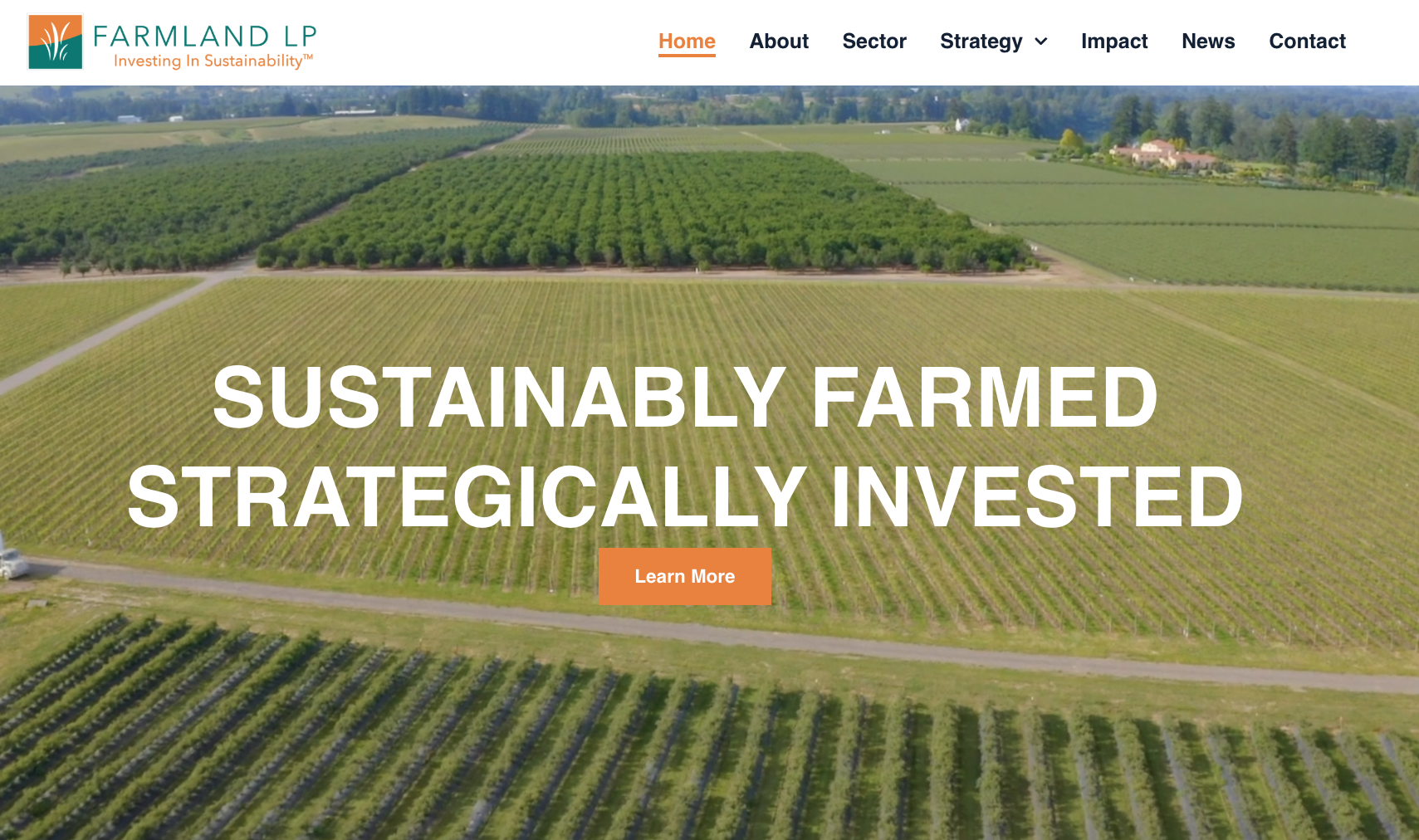
Farmland LP buys and converts conventional farms to certified organic farmland using regenerative management. This strategy generates competitive financial returns as well as positive social and environmental impacts.
With USDA funding, we partnered with Farmland LP and the Delta Institute to create a new, comprehensive approach to impact reporting for agriculture that encompasses both biophysical and ecosystem services metrics. Results illustrate the profound impact of Farmland LPs management practices, with $12.9 million in ecosystem services value generated since their initial investments. Conversely, conventionally managing those farms would have caused $8.5 million in environmental costs. With this evidence in-hand, Farmland LP is accelerating their investments in regenerative practices.