PROJECT SPOTLIGHT
Upstream and Downstream: Working with Developers and Lenders
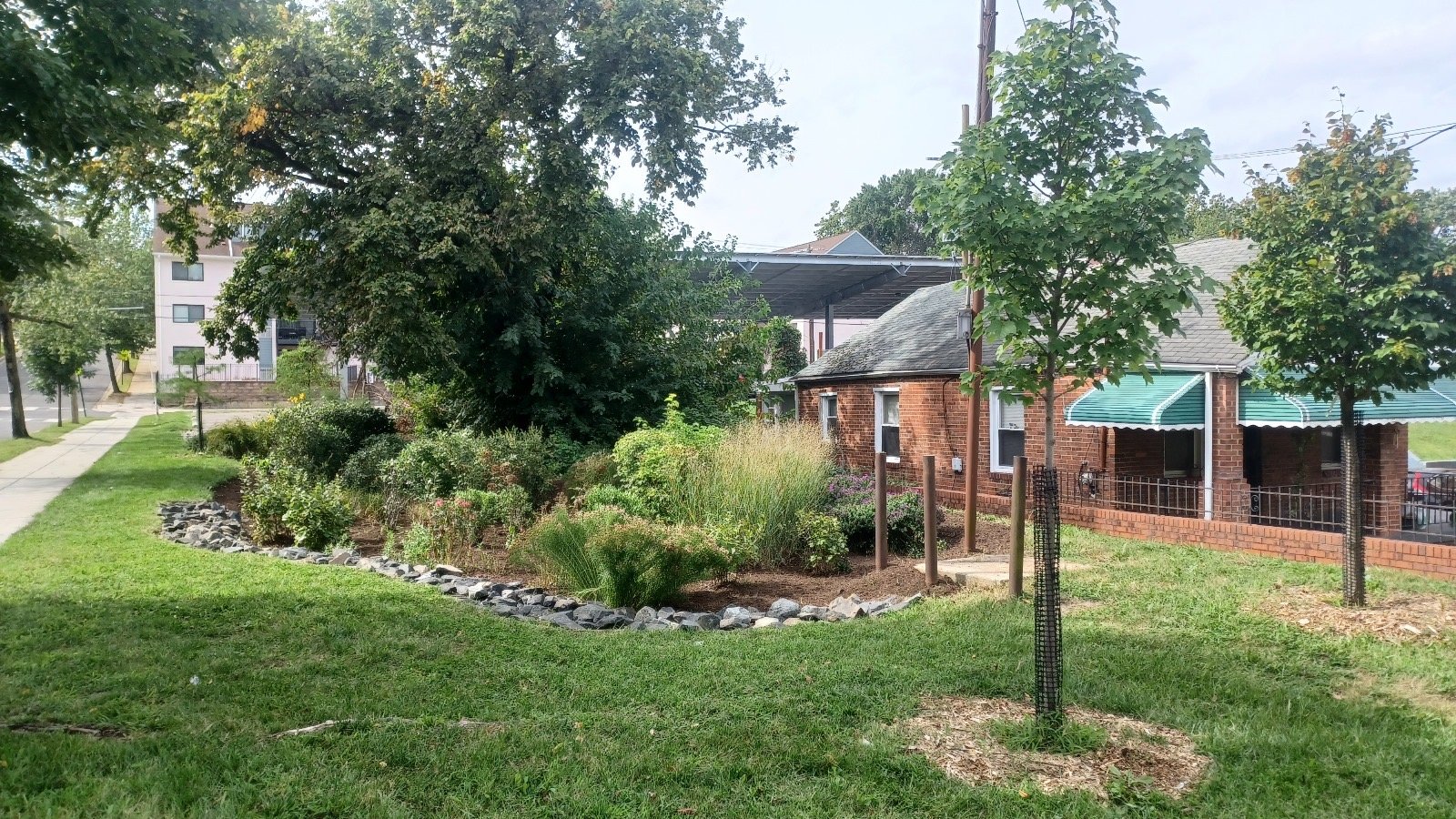
In Washington, DC, a stormwater retention credit trading program incentivizes—and creates revenue for—nature-based solutions. Green Compass is leveraging that program to build and maintain projects that manage stormwater and reduce air and water pollution in the District.
The team at Green Compass wanted to know the tangible value of their sites and show the broader benefits of building green infrastructure solutions relative to conventional approaches. We worked with them to identify valuable community benefits, including health benefits by mitigating extreme heat, carbon sequestration, and energy savings.
Seven of their projects generated an estimated $1.3 million in annual community benefits, the equivalent of $7.80 in value for every $1 invested.
Having demonstrated a substantial return on investment, Green Compass is able to borrow capital from DC Green Bank. This CDFI has a strong track record of financing projects across the city, but needed a data-driven way to evaluate green infrastructure investments. To estimate project benefits and costs, we developed a custom Green Infrastructure Impact Calculator. This internal tool helps DC Green Bank to make smart investment decisions and improve impact reporting for the nature-based solutions they support.
Data-driven analysis is crucial to support smart investments, providing the evidence necessary to accelerate nature-based solutions. Our analysis and tools are helping the District meet pressing climate, flooding, and public health challenges through cost-effective, nature-driven strategies.
Communities Transformed: StreetWell in Baltimore
Community-led investors are charting a course towards climate resilience in Baltimore. StreetWell borrows capital from a local CDFI to acquire, renovate, and lease distressed homes in historically marginalized neighborhoods. As they expand their community equity model to include environmental goals, we helped them to quantify the value of investing in green infrastructure.
From rain gardens to street trees, nature-based solutions provide ecosystem benefits while encouraging physical activity, improving health and increasing community bonds. Our analysis found that StreetWell supports $2 million in ecosystem service benefits over 25 years, a return of $7 or every $1 invested. StreetWell is using these findings to strategically expand their portfolio and engage other investors in spreading the value of green infrastructure.
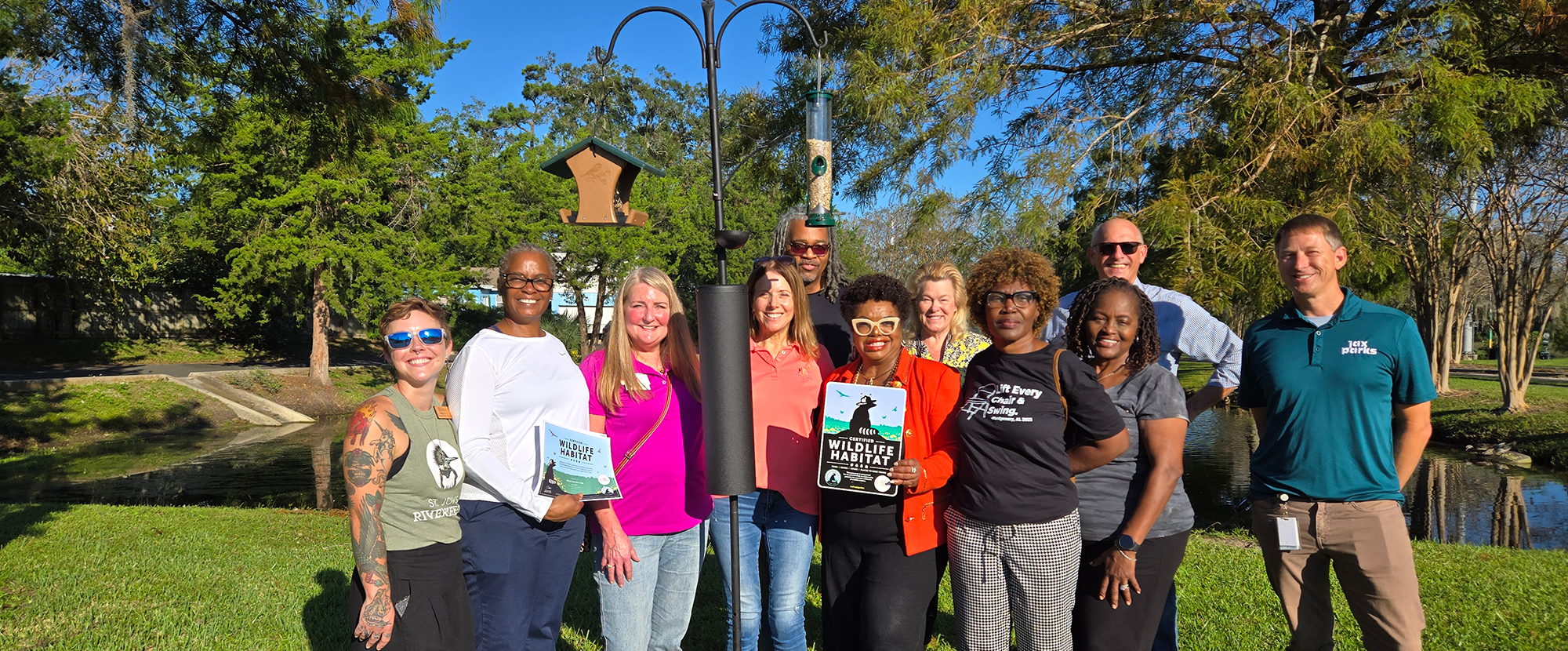
Photo courtesy of LISC Jacksonville.
Communities Transformed: LISC Jacksonville
LISC Jacksonville is bridging capital and communities, providing low-interest loans to transform neighborhoods into healthy and sustainable communities along Florida’s coast. As part of a local rejuvenation project in a historically Black community, they invested in upgrades to a park and waterfront.
We helped them value the co-benefits from the park’s rain gardens, native trees and grasses, and other natural elements. LISC’s investment in providing these ecosystem services will create $3 million in non-market benefits over 25 years, a return of $3.15 for every $1 invested. In an area of historical underinvestment, this project not only brings tangible health and environmental benefits to neighbors, but also aims to attract new tenants who will boost the local economy.
Get familiar with the range of ways we support businesses and investors—or reach out to explore you custom analysis today: info@eartheconomics.org.
Making the Case for Green Investment
How Earth Economics works with Green Banks and Community Development Financial Institutions
Why we work with CDFIs
Green Banks and Community Development Financial Institutions (CDFIs) are lenders with the mission to invest in projects that benefit communities who are often underserved by conventional lenders.
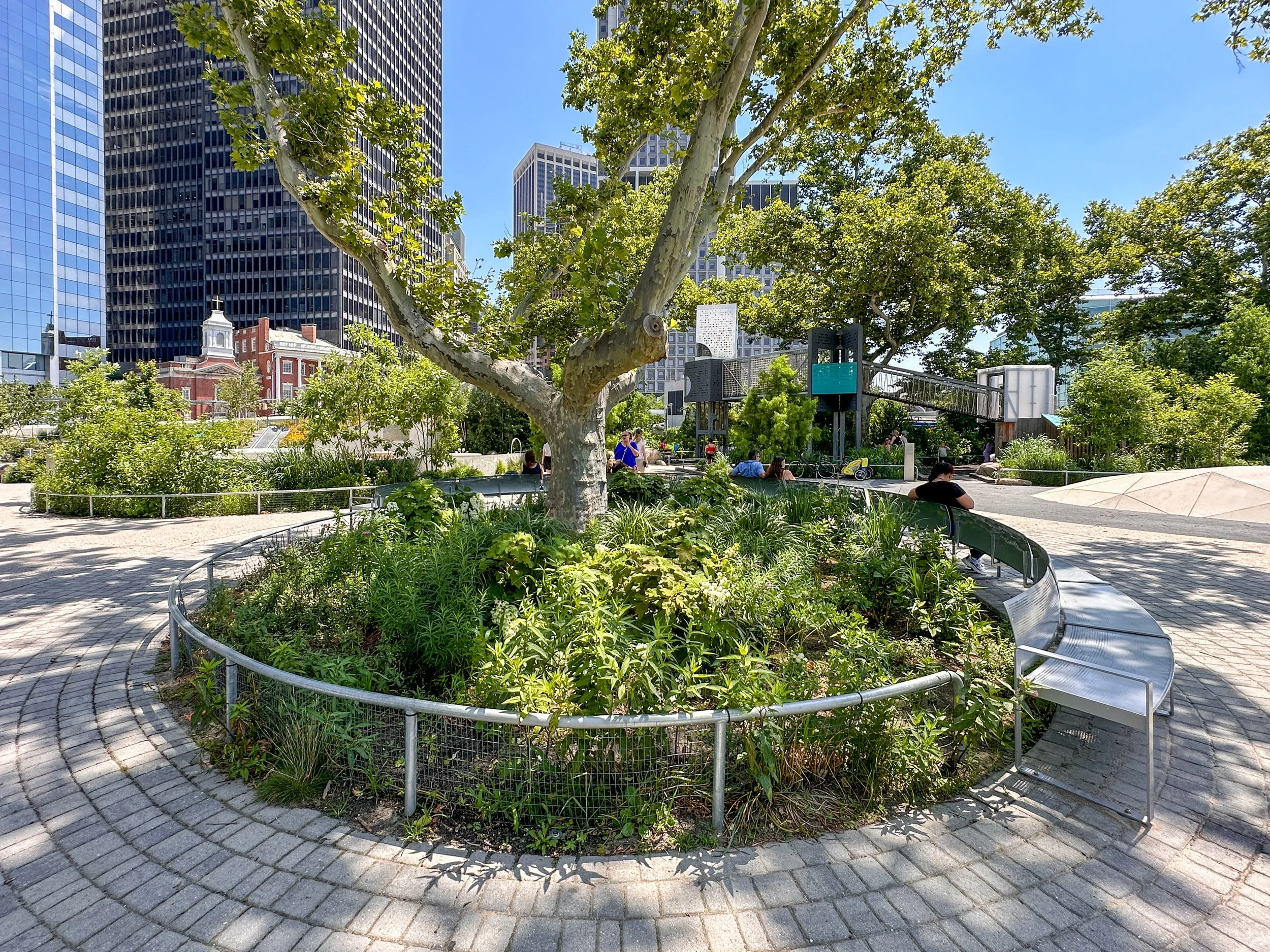
These projects increasingly include green infrastructure and nature-based solutions to manage stormwater, reduce heat, improve air and water quality, and improve neighborhood health. At Earth Economics, we translate these outcomes into defensible economic value and decision-ready tools, equipping CDFIs with the data they need to underwrite, communicate, and scale investments.
How we work together
We partner with CDFIs and Green Banks to:
Quantify community co-benefits and non-market benefits in defensible economic terms
Build decision-making tools that support investment and portfolio strategies
Strengthen stories of project impact for investors and partners to attract capital and scale faster
Interested in how Earth Economics can help you ensure nature’s benefits are counted?
Get in touch by sending us a note at info@eartheconomics.org.
Our analysis in action
From the District of Columbia to Baltimore to Jacksonville, our work to support investors has the same mission: bringing credible analysis and making co-benefits visible, which helps lenders leverage that value to grow green investment and community outcomes.