Valuing Isolated Wetlands in Tennessee
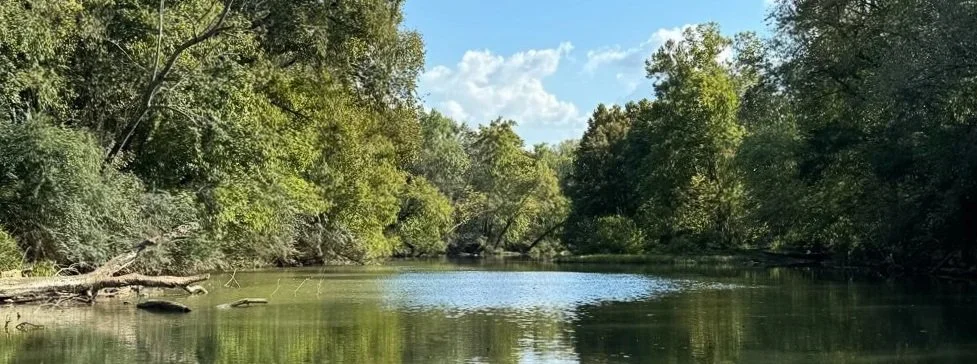
The Duck River, courtesy of Harpeth Conservancy.
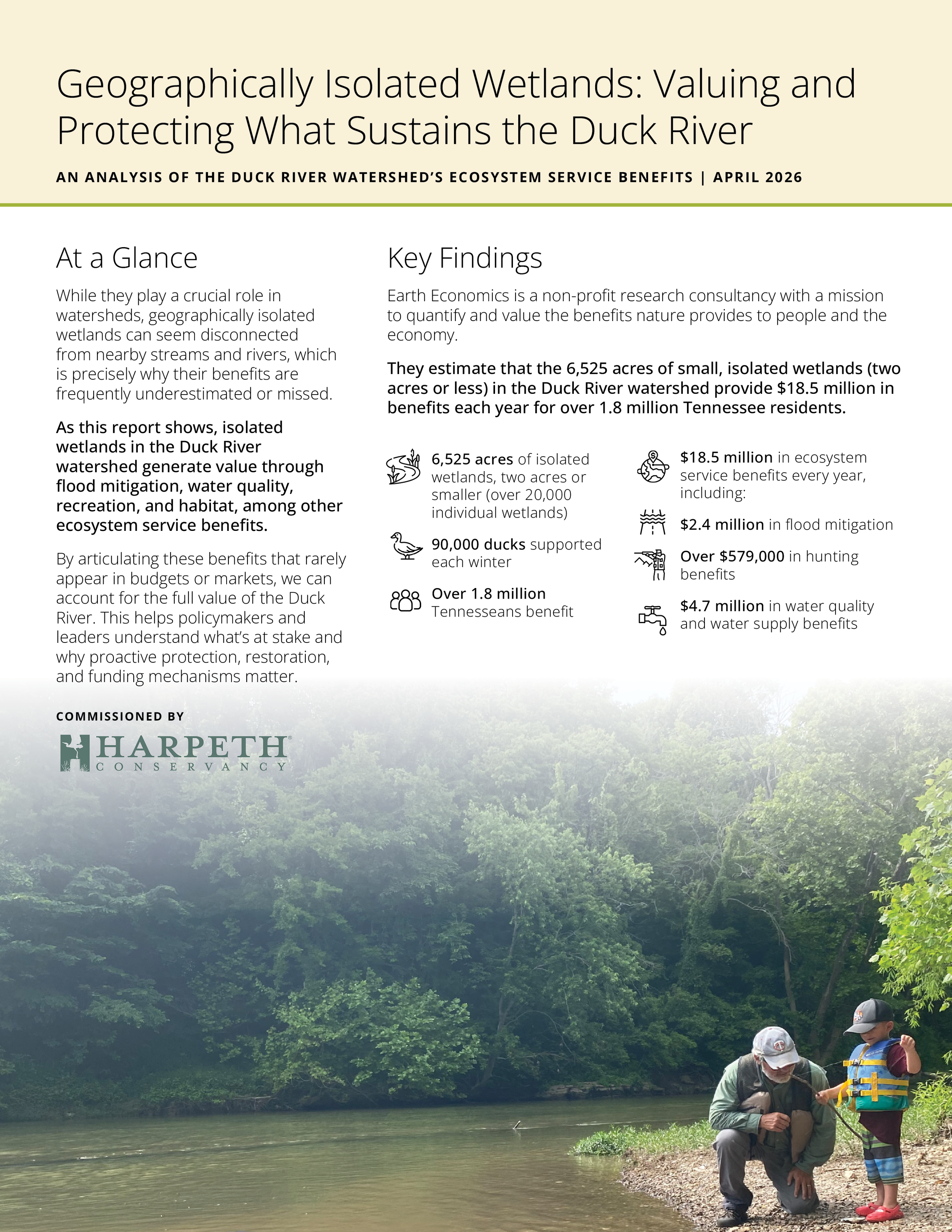
Isolated wetlands are often overlooked because they sit outside river channels—yet in Tennessee's Duck River watershed, they play a critical role in safeguarding water quality, reducing flood risk, and supporting the state’s outdoor economy.
Following rollbacks of wetland protections in 2026, Harpeth Conservancy wanted to inform state‑level watershed planning and financing strategies about the economic value of ecosystem services provided by isolated wetlands across the Duck River basin.
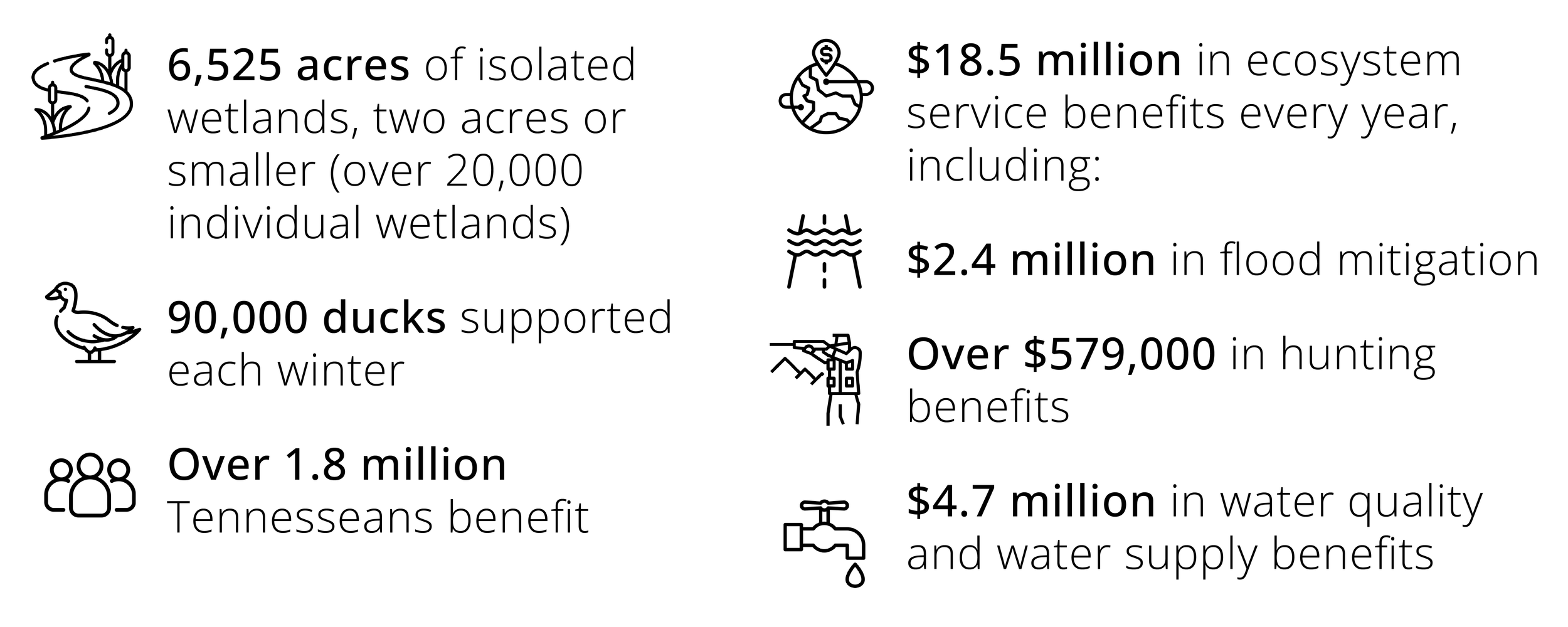
The 6,525 acres of small, isolated wetlands (two acres or smaller) in the Duck River watershed provide $18.5 million in benefits for over 1.8 million Tennessee residents every year.
Harpeth Conservancy is using these data‑driven insights in conversations with legislators, state agencies, and watershed planning partners, informing statewide watershed planning efforts, and strengthening the case for proactive wetland protection, restoration, and financing mechanisms.
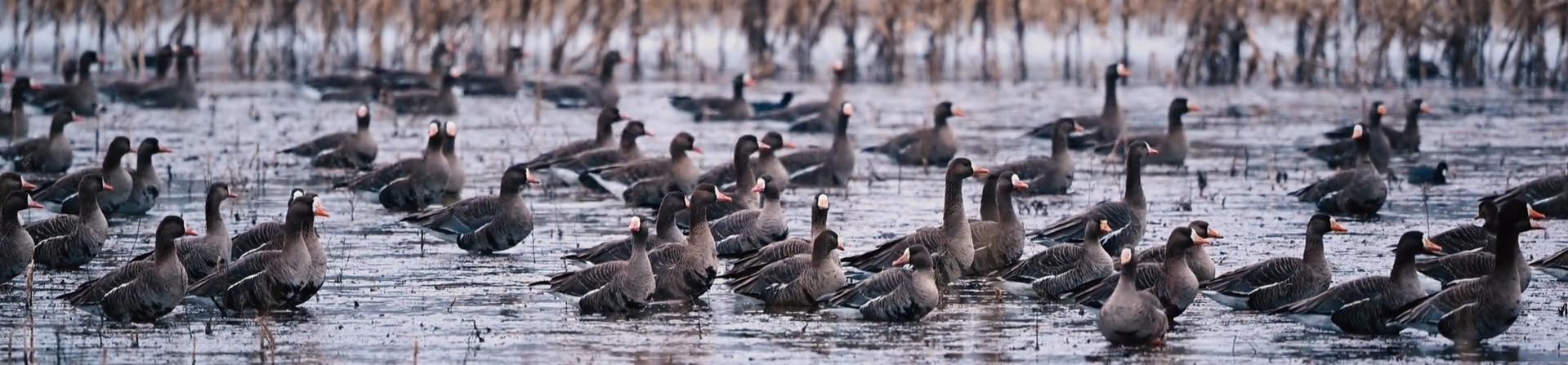
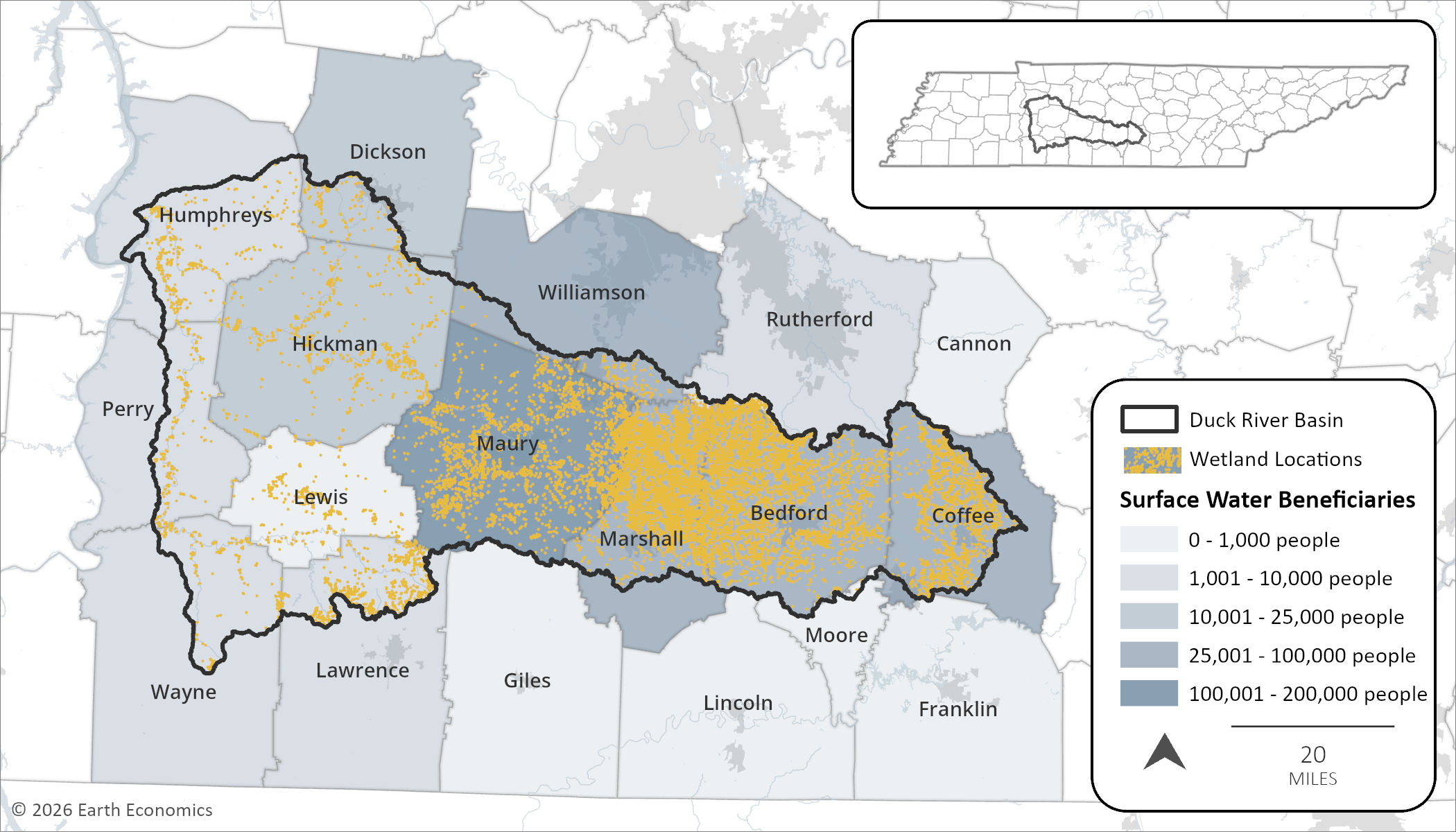
SPOTLIGHT: SURFACE WATER BENEFICIARIES
Over 244,231 surface water and 16,762 groundwater users (excluding private wells) benefit from Duck River wetlands as their role as natural filters safeguards drinking water quality and lower water treatment costs. As drought risk continues to rise, wetlands are critical to long-term water security.
Download the factsheet
Please fill out the form below to access the project factsheet.
Your information will be kept confidential, and we will never share or sell it to third parties.